When we think of environments where wastewater is discharged, one of the first that comes to mind is lakes. Lakes can be directly affected by these waters...
When we think of the discharge of wastewater into receiving environments, one of the environments that comes to mind is lakes. Lakes can be directly affected by these waters as well as indirectly. The event that mostly causes pollution in lakes is the secondary pollution event known as eutrophication. Eutrophication occurs in lakes after the discharge of phosphorus-rich domestic wastewater, agricultural drainage waters, and some industrial wastewater. As a result of these discharges, an increase in algal growth through photosynthesis and organic matter is observed. Due to such effects, the lake water begins to become polluted due to a number of chemical changes.
Lake Classes According to Nitrogen and Phosphorus Concentrations
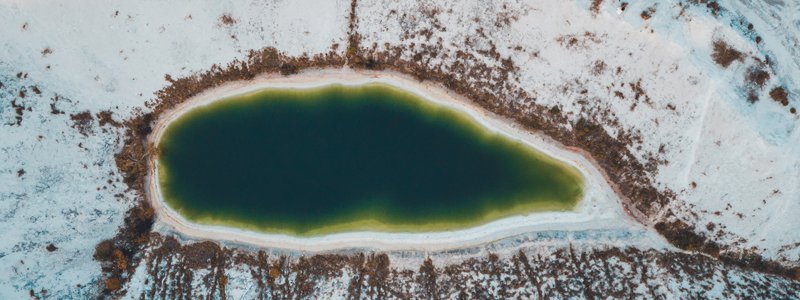
Lakes are divided into 3 main classes according to the concentrations of nitrogen and phosphorus in the water;
Lakes where production accelerates as nitrogen and phosphorus concentrations exceed certain limits are called "Eutrophic Lake"
Lakes with low nitrogen and phosphorus concentrations and production are called "Oligotrophic Lake"
Lakes that are between these two boundary conditions are referred to as "Mesotrophic Lake."
Wastewater to be discharged into lake waters is classified according to nitrogen and phosphorus in Table: IV.2.2 of the "Receiving Environment Standards for Lake Waters" according to the SKKY, to prevent the pollution of water sources in lakes, ponds, and reservoirs and to ensure the control of the eutrophication event.
Why Do Lakes Get Polluted?
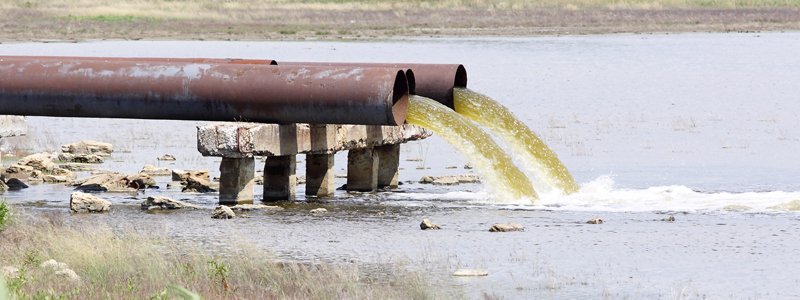
Lakes are the receiving environments with the highest potential for pollution in surface water sources. Particularly, any dissolved and suspended solid matter in wastewater discharged into lakes with no outflow causes pollution by accumulating in the lake. Especially if heavy metals, easily degradable pesticides, and non-decomposable substances are present in the wastewater discharged into the lake, these pollutants settle to the bottom of the lakes and cause the lake to fill up. Easily degradable substances can be rendered harmless by the lake's self-cleaning capacity. In other words, lakes, norIt prevents organic pollutants formed under adverse conditions from contaminating themselves. However, loads exceeding the natural purification capacity of lakes lead to the depletion of oxygen in the lakes and cause the lakes to enter an anaerobic state.
It Is Up to Us to Protect Lakes
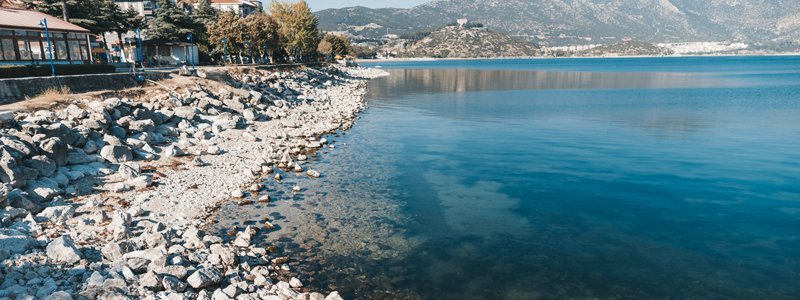
In a lake that has entered an anaerobic state, it will not be possible for oxygen-dependent organisms to survive, leading to the destruction of some organisms' natural habitats. When designing treatment facilities for receiving environment discharges, the factor of the system's inability to operate due to potential malfunctions and adverse conditions must be taken into account. In such cases, it is necessary to calculate the sufficient time for storing untreated water before discharge and for its removal and disposal. The efficient operation of facilities is as important as their design. Facilities operated by untrained individuals or left uncontrolled will not meet discharge standards, leading to pollution of the lakes. Therefore, regular maintenance of wastewater treatment facilities that are established or likely to be established, along with their operation under the supervision of authorized personnel, will prevent such problems.
Discharge and Recover
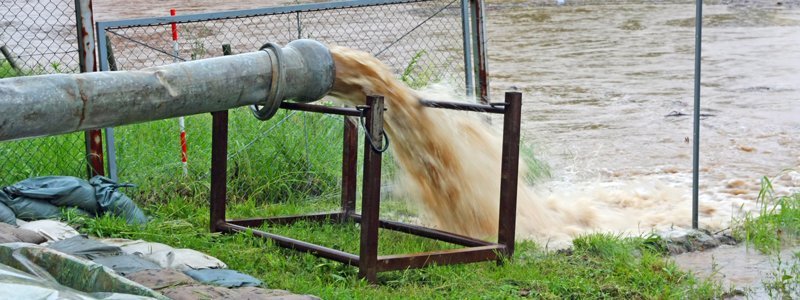
In systems with such receiving environment discharges, the goal should be to recover the discharged waters through advanced treatment methods and to use natural water resources more efficiently. The less water a wastewater treatment facility discharges into the receiving environment, the less damage it causes to natural life. Because even if the discharged water meets the discharge standards according to the Water Pollution Control Regulation (SKKY), the likelihood of harming natural life is high. Therefore, wastewater treatment facilities established with the goal of ZERO WASTE WATER will not only provide financial benefits but also significantly contribute to the protection of nature.We live in a world where natural water resources are limited. Therefore, it is our duty to protect these resources and ensure their sustainability.