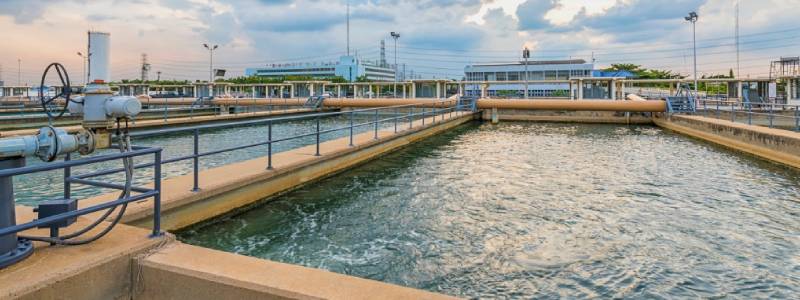
In these days we live in, the costs of treatment facilities are being questioned more than ever. However, to better understand the issue, let's take a step back and look at it from a broader perspective.
Global warming, climate change, and green deal issues have moved beyond merely being on the agenda; they are now defining it. Environmental pollution, the use and conservation of natural resources are becoming more pronounced. Moreover, the reality that drought and water resources are increasingly diminishing has found its place within the natural flow of life. Now, these are problems for which we need to produce solutions "today," far beyond just being issues to be faced in the future. If we add the fact that our existing water resources are rapidly becoming polluted, it becomes clearer how much our usable water has decreased. These are the observations we have at hand. So how will we tackle this issue?
Can the Treatment and Recovery of Wastewater Be a Solution?
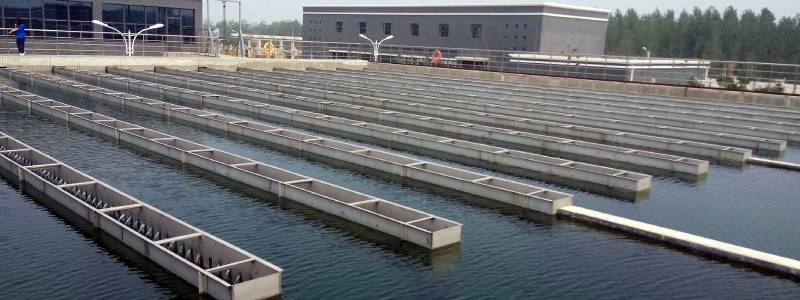
Firstly, it should be stated that the solution is not simple and singular; it will involve the complex and simultaneous application of various methods. There are very specific solutions available for domestic, industrial, and agricultural use. If we make a very rough generalization, reduction, meaning conservation, and recovery, meaning reuse, will be the main steps toward a solution. The topic we will address here is how the treatment and recovery of wastewater is carried out and how its costs are projected. Before explaining this, let’s look at how wastewater is generated.
What Are the Sources of Wastewater?
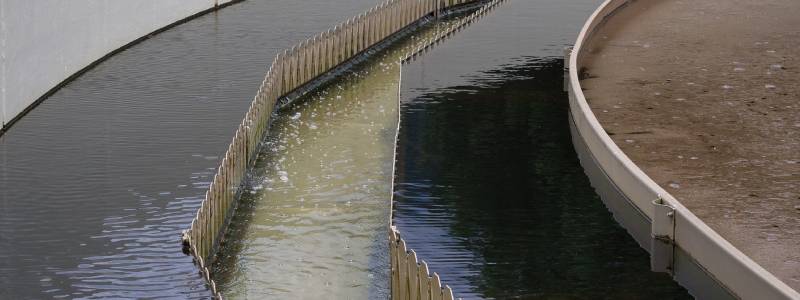
There are primarily two types of wastewater based on their sources: domestic wastewater and industrial wastewater. Domestic wastewater is evaluated in larger quantities because its pollution loads do not vary significantly due to its sources, and solutions are produced accordingly. Here, we can mention facilities where all domestic wastewaters are treated, from package treatments to urban treatment systems. However, during the design phase of urban treatment plants, the industrial infrastructure of the region and its impact on the characteristics of wastewater must be taken into account. An important issue is the purposes for which domestic wastewaters will be used when recovered. This is also a significant factor that affects project and investment costs.
It is essential.
Costs of Industrial Wastewater Treatment and Recovery Systems
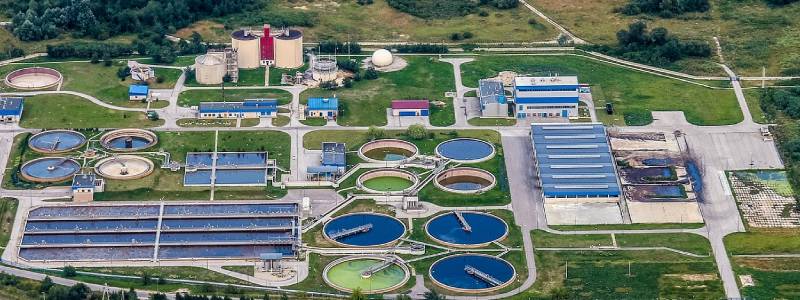
While it is easier to make a general projection for domestic and urban wastewater treatment systems and the recovery of these waters, the treatment and recovery of industrial wastewater requires a more complex and detailed process. Firstly, the criteria necessary for the treatment and discharge of wastewater, based on old habits, are viewed as the main design criteria that constitute the cost of a wastewater treatment plant, including the pollution load of the influent water, the nature of the wastewater, flow rate, and the discharge standards for the receiving environment or channel. However, the fact that the treated water will be reused necessitates some changes in our perspective. The analysis values of the wastewater and the pollution load indicate that the wastewater originates from several different processes, and it is essential to address and treat each of these separately, as well as to evaluate whether there are raw materials that can be recovered outside of the water and how they can be recovered if they exist. Only after this can a decision be made on how many different processes and what size systems will be constructed for each process.
The Design of Wastewater Treatment Plants is a Delicate Process
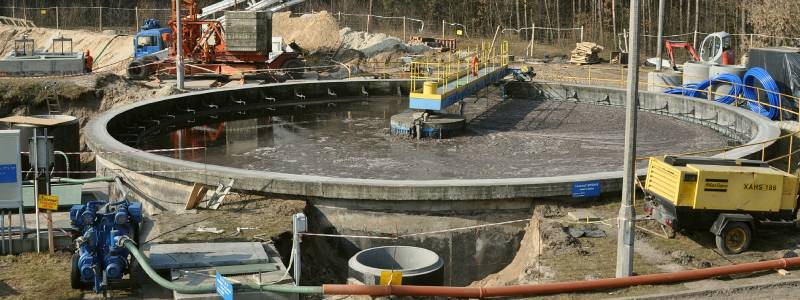
A design negligence here means that buttons are wrongly buttoned from the start, and this often results in the recovered water not being of the quality required for use in production. Another manifestation of this problem is the additional units and membranes being used at a cost much higher than initially anticipated, which leads to new problems rather than solving the existing ones. At this stage, concentrated waste issues threaten all processes. These problems are currently being experienced in many recovery facilities and, in some cases, lead to expensive solutions when there are economic solutions that should be available. Therefore, when planning and projecting, the very good evaluation of the sources of wastewater and starting the process design from the right point is the most fundamental factor in reducing costs. From this point onwards, the process...let's quickly review the parameters. After determining the wastewater sources and pollution loads, physical processes should be applied according to the structure of each source and wastewater. The BOI/KOI ratios and the biological degradability of the wastewaters should be accurately identified, and all wastewaters requiring biological processes should be designed to be treated primarily with biological processes. However, given that membrane and filtration methods have developed and become widespread today, rather than ready-made solutions, detailed reviews and control procedures should be applied for each process, taking into account the properties of the water and the purpose for which it will be reused. Ultimately, the expected outcome should be that physical-chemical, biological processes, and membrane filtration processes are carried out carefully and with the most suitable, optimal projection. While doing this, the quantity of wastewater should also be considered, and it should not be forgotten that there may be interdependencies between processes due to quantity or flow rate.**Operating Costs of Wastewater Treatment Plants**The key factor that must be kept in mind throughout all design processes is the operating costs of the treatment plants. A design can only be optimized with operating costs. Considering the ever-increasing cost of water, the most ecological and economical solution is recovery. However, for the "sustainability" of the facility, the magnitude of the difference between the cost of recovered water and the cost of water is very important. This difference will present us with data on the accuracy of the design, total cost, and most importantly, sustainability. Energy costs are one of the most significant factors affecting operating costs in a treatment plant. Therefore, to reduce operating costs, equipment that consumes low energy should be selected first. This will reduce both the carbon footprint and shorten the economic payback period of the facility. Another important aspect is to minimize the need for human labor as much as possible. Thus, operating costs will be reduced while...Human errors will also be minimized. Additionally, maintenance costs and consumable material costs are significant expenses for operating a treatment facility. When selecting equipment, the optimum options, not the cheapest ones, should be chosen, and those with low operating costs should be prioritized. Chemical costs, sludge waste, and similar expenses should be thoroughly analyzed and anticipated from the beginning. Let us not forget that proper design starts in the first step and continues until the last step.