Even when our bodies disappear in nature, it takes several days, while the waste we throw into the environment does not disappear immediately. To vanish takes time, but does our environment have that much time?
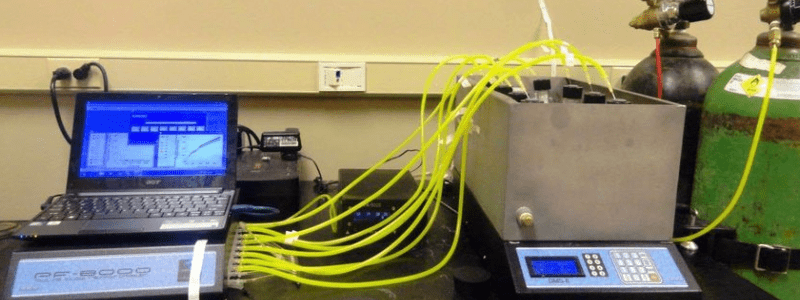
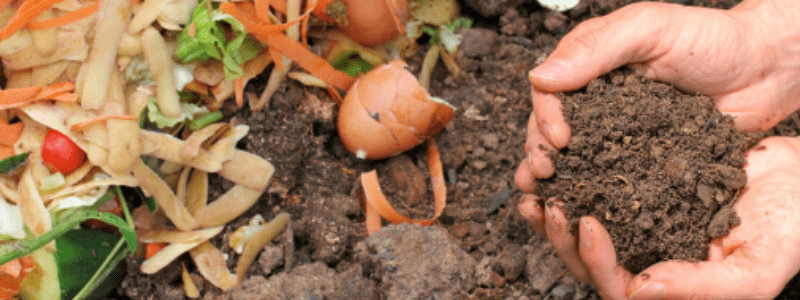
When a human body no longer pumps blood, how much longer does it interact with the soil? Exactly within 36-48 hours, our body begins to decompose, and the phase of gradual disappearance begins in an average of 8 days. While it takes a few days for our body to disappear in nature, the waste we throw into the environment does not disappear immediately. Disappearance takes time, so does our environment have that much time?Biodegradation is the process that occurs for any natural or artificial substance to break down in nature. Plastics, glass, paper, and similar materials all decompose naturally in the environment. The natural ways we refer to include bacteria that use waste to produce energy for themselves, as well as the breakdown of waste under the radioactive effects of sunlight, which are all methods that do not originate from human activities. Nature's self-cleaning is a way of taking care of itself.Due to the underwater waste repository found off the coast of Japan in the Pacific Ocean, there is enough human trash to create islands that can reach heights of 30 meters above the sea surface. It is quite difficult to know the exact size of this accumulation, known as the "Great Pacific Garbage Patch." The best estimates show that this garbage accumulation is about 700,000 square kilometers (roughly the size of Turkey). The worst estimates suggest that this garbage spreads over 15,000,000 square kilometers, covering about 8.1% of the area currently occupied by the Pacific Ocean. None of this was done by animals, bacteria, plants, or any living thing in nature. On the contrary, they all had to adapt to the crimes of humanity.**RESPIRATION TESTS**Scientists calculate how long it takes for any substance to decompose in nature thanks to "Respiration Tests." To explain this with an example, if we take an apple core and place it in a container with anaerobic or aerobic bacteria and seal it, aerobic, meaning oxygen...A reaction will occur for the bacteria that will perform aerobic respiration. As a result of the reaction, the sugar in the apple reacts with oxygen by the bacteria and carbon dioxide is released. The respirometer device measures the amount of carbon dioxide released, allowing scientists to measure the amount of carbon dioxide produced and the time taken when all the apple waste is consumed by the bacteria. This helps us estimate how long non-biodegradable substances left in nature will take to decompose.Organic waste is one thing, but what about artificial substances like plastic or petroleum products? Polyethylene is the raw material for plastic bags. When we take a small portion and place it in the respirometer, no carbon dioxide release or physical degradation can be observed, regardless of the time that passes. Because the cleaners of nature, bacteria, cannot consume plastic. Polyethylene, an artificial substance derived from petroleum, has very long chains that make it quite difficult for bacteria to break down. Knowing this is enough for us to estimate that a piece of plastic thrown into nature will last for 1000 years. When sufficient heat is applied, the polyethylene chains that make up the plastic bag break down, releasing many small and large organic compounds. If the polyethylene chains of a plastic bag left under the sun are exposed to radioactive rays, they begin to dissolve. This allows bacteria to consume the monomers and molecules released from the bag. For this process to occur, scientists estimate that it could take at least 1000 years, but it could be even 10,000 years. This secret, known only to our nature, is significant enough to affect the descendants of our grandchildren. One of the interesting products of popular culture, the animated film Wall-E, has indirectly drawn attention to the seriousness of this secret by choosing a theme of a world turned into a garbage dump in space.“THE WORLD” IS FOR USEvery waste requires different times to end its adventure in nature, depending on the materials that make it up. While it takes 2 months for an apple core, it takes 450 years for a plastic bottle, 550 years for baby diapers, and 200-300 years for aluminum cans. If it were only three-digit numbers, it would still be good; a polystyrene material takes 2 million years.300 years, 550 years, 2 million years… Do you want to leave behind polystyrene or a bottle for the years when our grandchildren's grandchildren won't even be able to catch up, when there will be no trace of our existence in this world? It is the easiest thing to do; let us make the effort. Although 75% of waste can be recycled, we only recycle 30%. We should choose to produce time rather than consume it. Let’s leave a clean environment, not waste, for the future. Because this world is for us.