With the increase in industrialization and the use of machinery, oils have become more commonly used and are a type of waste that needs to be specifically addressed in waste management due to their ecotoxicity.
Like every substance, oils also have a certain lifespan. Oils that become contaminated, change in structure, and reach the end of their useful lifespan are classified as waste oils.
Waste Oils Are a Major Threat to Our Water Resources
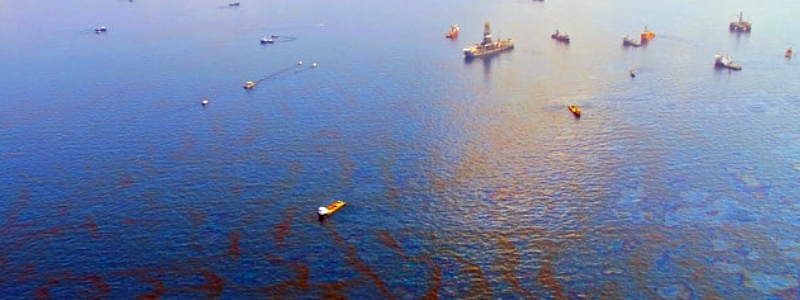
Did you know that 1 liter of oil can render 1,000 tons of water unusable and make 5,000 tons of water undrinkable? What about 1 liter of waste motor oil being able to pollute 800,000 tons of drinking water?
Waste oils poured down sinks and drains reach our underground and surface waters, causing pollution. Especially, cleaning waste oils that mix with underground waters is difficult and costly.
When waste oils reach surface waters, they cover the water surface, preventing sunlight from penetrating to the lower layers. When autotrophic organisms cannot receive sunlight, they cannot perform photosynthesis, leading to a decrease in the oxygen level of the aquatic ecosystem. So, what happens as a result of the decrease in oxygen levels? Marine life dies, and the ecological balance is disrupted. If no precautions are taken, we lose the ecosystem.
Waste Oils Damage Sewage and Wastewater Systems
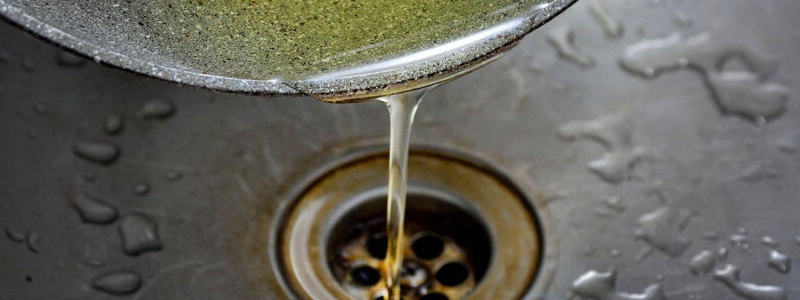
Are you pouring your vegetable waste oils down the sink to get rid of them? Or are you disposing of the waste oils generated in your business into the drain?
Disposing of waste oils into the sewage system causes pipes to narrow and leads to a 40% blockage of the sewage system, damaging the system's operation, increasing maintenance and repair costs, and reducing the lifespan of system equipment.
When waste oils reach the treatment facility, they increase the pollution load of the wastewater. This situation also raises the operating costs of the facility. If your treatment facility includes a biological treatment stage, the coating of bacteria with oil and grease hinders their activities and significantly reduces treatment efficiency.
The Impact of Waste Oils on the Environment and Human Health
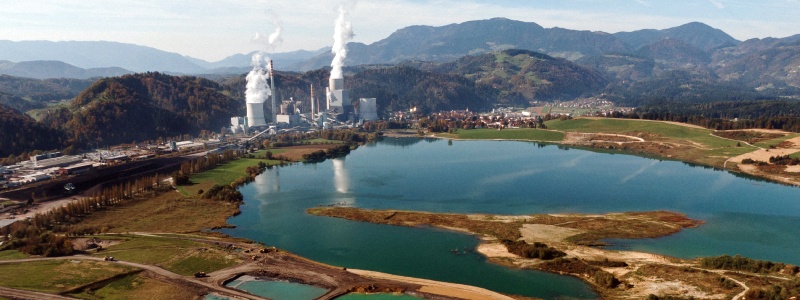
Waste oils are high-calorific value wastes. The disposal of waste oils by untrained and unauthorized individuals...The improper burning of waste oil releases heavy metals and chlorine compounds present in its structure into the atmosphere. The emitted particulate matter, carbon monoxide, organic pollutants, and metal emissions pollute the air we breathe. The spillage of waste oils onto the soil or their reaching the soil in any way causes the degradation of soil structure and loss of fertility. It damages the plants on the soil surface. Since the soil has a permeable structure, waste oils mix with groundwater, contaminating our water resources. Cleaning contaminated soil is a costly and difficult process. When we emphasize that it takes at least 20-25 thousand years for a layer of soil 40-50 centimeters thick to form, we can better understand the importance of taking care of our soils. Frying oils become carcinogenic when reused repeatedly and pose a risk to our health. Therefore, frying oils should not be reused for human health and should not be disposed of in drains for environmental health. They should be sent to licensed facilities for recovery.**How Should Waste Oils Be Managed?**Sustainable waste management and the creation of economic benefits from waste require that waste oils be collected, transported, and subjected to recovery processes by refining facilities and authorized organizations authorized by the Ministry of Environment and Urbanization. It is essential that waste oils are recovered using clean production technologies by licensed facilities. Thus, the danger posed by waste oils to the environment is eliminated, and waste oil recovery benefits the national economy.According to the Waste Oil Management Regulation;The discharge of waste oils into sewers and receiving environments such as seas and lakes,
The import of waste oils,
The mixing of waste oils from different groups,
The recovery, burning, and disposal of waste oils using improper methods is prohibited.
In order to control waste oils in our country and include them in sustainable waste management, the provisions of the Waste Management Regulation are implemented.;businesses where engine oil changes are performed;
Establishing a temporary storage area,
Obtaining an Engine Oil Change Point Permit,
Registering for the Ministry's online programs,
Being responsible for reporting and approving information regarding engine oil changes using the online program.
For more detailed information about engine oil changes, you can read my blog post titled “Engine Oil Change Point Permit in 3 Questions.”
According to the Regulation on the Management of Vegetable Waste Oils; Municipalities are responsible for establishing a vegetable waste oil collection system and informing the public about vegetable waste oil collection activities. Instead of pouring the vegetable waste oils generated in your homes down the drain, you can deliver them to the municipality. This way, you can recycle the waste and avoid polluting the environment.
It is up to us to create value from waste by eliminating the problem of waste oil that poses a threat to the environment. Waste oils should not be discharged uncontrollably into the sewage system or receiving environment, but should be directed to licensed recovery facilities.
It is our collective responsibility to act with the awareness that every time we pollute the environment, we are also polluting our present and future.
Sources
https://giresun.csb.gov.tr/atik-motor-yaglari-tehlike-saciyor..-haber-8075
https://bozok.edu.tr/sifiratik/sayfa/bitkisel-atik-yag,tr-930.aspx