How to Make Compost at Home? First, determine a suitable place for a healthy compost in your home. Adjust the air and moisture balance well. Therefore, it will be beneficial to mix it every 3 days. Pay attention to the location for an easy mixture. If you have an area of 1 cubic meter, you can produce healthy compost.
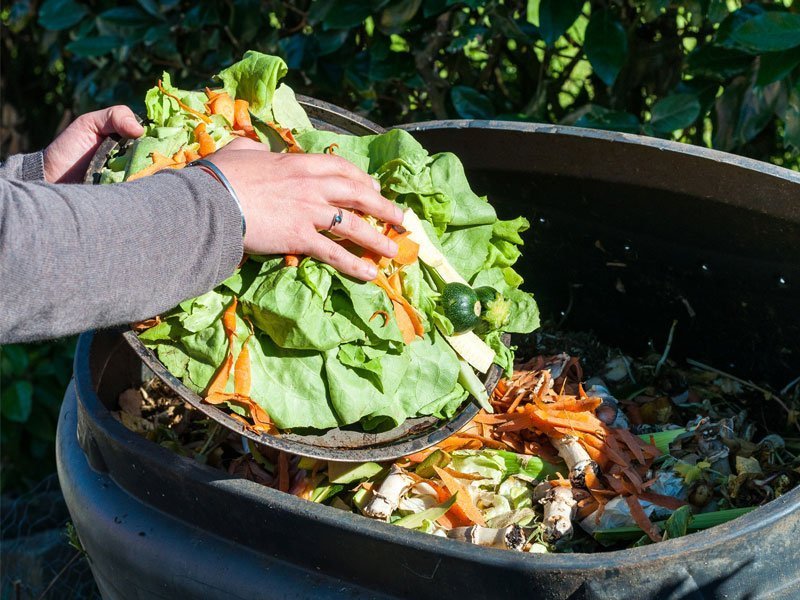
You can use a container of appropriate size for the area you have designated for composting. If you are planning to do a more professional setup, you can purchase compost bins online.
Compost
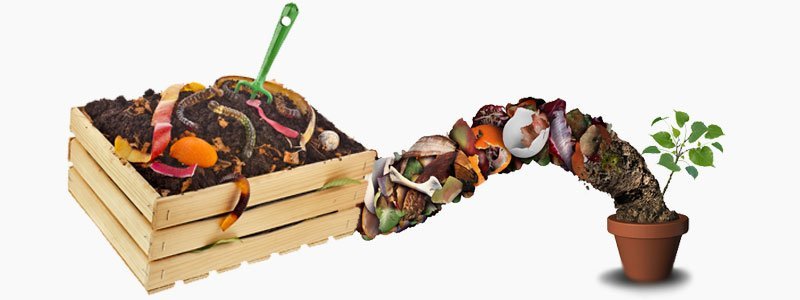
Before starting the compost, prepare all green and brown materials chopped into small pieces. Have a thermometer and a shovel for mixing on hand. Sprinkle a shovel full of leftover compost or soil at the bottom of the bin. Then, layer your materials in 10-15 centimeters thick layers, alternating between brown and green. You can add accelerators like rock dust and charcoal, as well as water in between. After this process, cover the top of your bin.
In the first few days, the compost temperature will rise, and unpleasant odors may emerge. Measure the temperature every day to track it. When the temperature drops, use a shovel to mix the compost, bringing the outer parts of the pile inward and the inner parts outward. At this stage, maintaining moisture balance is important; if your compost is dry, you can wet it a little. Be careful while wetting. If it becomes too wet, add more brown material.
Your compost will need about a month to fully develop. When your compost is mature, it will be dark brown in color and the temperature will be below 29-30 degrees. You can use your compost after letting it rest for two weeks.
Things to Consider When Making Compost at Home

Do not mix materials that are prohibited from entering the compost (cooking oil, oily and cooked foods, spoiled foods).
Your compost should neither be too dry nor too wet. If you add too much water, microorganisms will drown and die. The materials will not form compost; they will only rot. You can measure the temperature with a thermometer or reach in and check the middle with your hand. The compost you touch should feel warm.
Your compost is ready when it stops generating heat and is crumbly, insect-free, and smells pleasant, like chocolate cake. You can add it to the soil of your flowers and the fruits and vegetables in your garden.