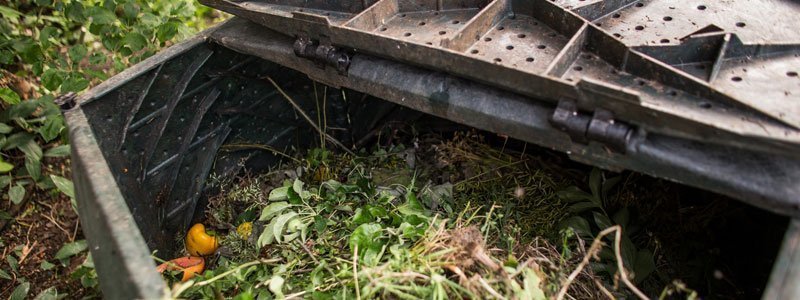
Don't Throw It Away, Make Compost! The rapid increase in the world's population, industrialization, consumer frenzy, excessive demand for fast food, the private sector's desire to meet this demand and make a profit, intensive use of technology, and the disregard for the negative effects of the technology used have adversely affected the ecological balance that has been ongoing for millions of years and have caused harm to the environment.
.jpg)
Solid waste plays a significant role in the disruption of ecological balance. Intensive efforts are ongoing for the recovery and disposal of solid waste without harming nature. The main aim of these efforts is to transform waste into a product that can decompose in nature and be reused.
Compost
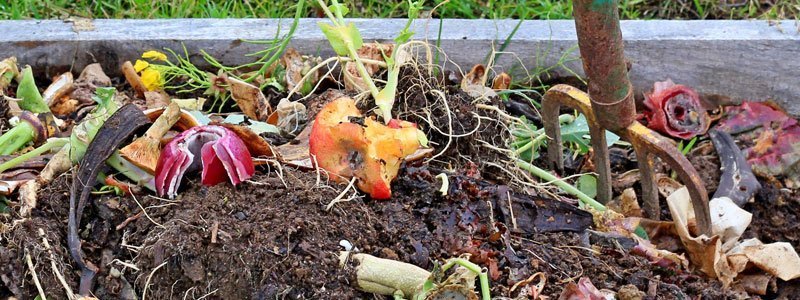
National and international regulations promote the reuse, recycling, and recovery of waste, particularly imposing limits on the disposal of biological waste to landfills. For this reason, it is recommended that solid waste be disposed of using alternative technologies. By disposing of waste with alternative technologies, energy savings can be achieved, and tons of waste can be beneficially recovered for the environment. In this article, I will discuss the composting method, which is my favorite among alternative methods.
Every day, hundreds of thousands of tons of organic urban waste are generated in many large cities around the world. This waste is transformed into compost and is used for various purposes, primarily in agriculture and the improvement of forest areas.
Composting systems are a more environmentally friendly technology compared to thermal systems such as incineration, pyrolysis, and gasification, and they are widely used worldwide with different systems. Considering that approximately 50% of the waste produced in our country is thought to contain organic material in terms of waste characteristics, it is seen that composting is an important and effective disposal method. The compost obtained as a result of this method is both higher quality and more efficient if it can be separated at the source of the waste. The compost obtained from composting is a material that improves the soil, with high organic value and water retention capacity, unlike fertilizer. It increases the void volume of the soil, facilitates aeration, ensures better utilization of nutrients, and makes the soil easier to work with.
Composting
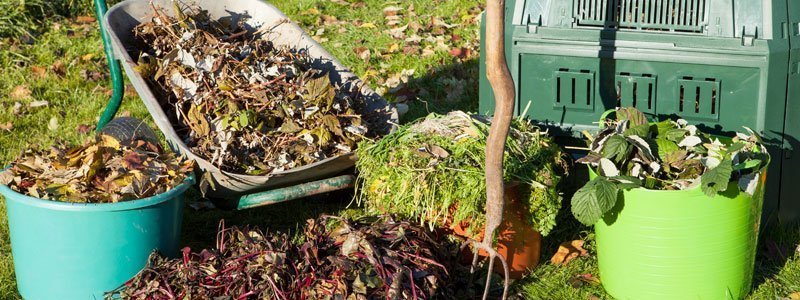
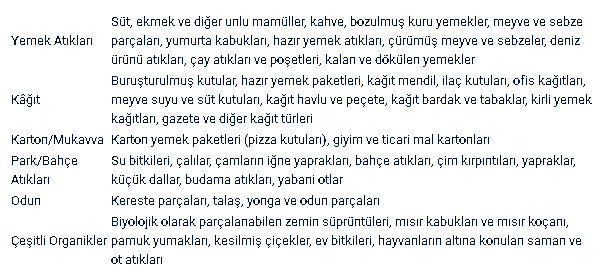
Composting is the process of biologically breaking down and stabilizing organic materials under controlled environmental conditions. Compost, which is a natural process, is formed by the decomposition of organic matter. During the composting process, organic matter decomposes rapidly at first and then at a slower rate until a stable organic mass is formed. After the second stage, the slowly decomposing organic materials stabilize and mature.Composting begins immediately after the formation of a pile with the appropriate mixture of materials. When the raw materials are first mixed, sufficient air is provided for the process to start. Subsequently, oxygen is consumed through microbial activity, and air containing used (fermentation product) CO2 is released from the pore spaces. Aeration is achieved through passive air exchange or by using air blowing devices (such as "blower" and "fan") with pressurized ventilation.Within a few hours after the pile is formed, a significant temperature increase is observed due to microbial metabolic activity. Under normal conditions, the temperature of the compost material rapidly rises to 50-65°C and remains in this range for several weeks. As fermentation (composting) slows down, the temperature gradually decreases to 40°C and then to ambient temperature.The maturation process follows the active compost (rapid fermentation) phase. During the maturation process, the materials continue to compost at a lower rate. The breakdown continues until the organic materials are consumed by the organisms in the environment and all biodegradable carbon is converted to carbon dioxide.Whether the composting process is practically complete is determined by usage and processing characteristics such as carbon-nitrogen ratio, oxygen requirement, temperature, and odor. The most important environmental conditions affecting the composting process are moisture content, particle size, air, C/N ratio, pH, and temperature. The C/N ratio is an important parameter that indicates whether the compost product has reached a mature and stable state.If the C/N ratio in your final product is between 10-20, it means the composting process has not been completed. The most important step in obtaining high-quality compost product isThe use of clean waste separated at the source as raw material. To obtain these wastes, clean and organic waste rich in content should be accepted and processed at markets, market places, parks, and similar locations. To ensure that this step is carried out effectively, a zero waste system has been implemented nationwide. Facilities transitioning to the zero waste system must collect their organic waste separately at the source and convert it into compost products. This way, tons of waste that could be beneficial will not go to waste.**Suitable Organic Solid Wastes for Composting****Composting Technologies**Compost production is an environmentally friendly biological treatment option that is becoming increasingly popular worldwide. For example, the number of household compost facilities in the USA has rapidly increased, especially after the mid-1980s, reaching 3,400 by the year 2000. There are 3,500 facilities that compost only garden waste, including both private sector and public service facilities. According to some estimates, the number of operational compost facilities today exceeds 5,000. In Turkey, however, the number of compost facilities is quite low. This number is planned to increase within the scope of the zero waste project.The composting process is an ideal alternative for the disposal of solid waste, and there are different models applied worldwide. Generally, it is divided into two categories: open and closed systems, but it also branches out based on operating conditions and the machinery and equipment used.The five commonly used basic systems are as follows:Passive or open pile composting,
Transfer pile composting using loaders for turning, mixing, and processing,
Transfer pile composting using special transfer machines,
Aerated static pile composting using perforated pipes,
Composting in reactors,
Garden-type composting.All these methods are successfully and widely applied. The first three methods...It occurs in the air that is ventilated. Ventilated static pile and reactor-type systems are generally enclosed by a structure, making it easier to control and treat moisture and odor. The physical properties of raw materials and processing characteristics affect the choice of the composting method. Additionally, distance to settlements, cost, composting process, and speed also influence this choice.In this article, I talked about the new ray of hope in waste management: the composting process. As living beings around the world who are responsible, we must not forget the most fundamental point that we need to protect the environment we live in. Protecting our environment is based on good environmental management, good waste management, and the principle of voluntarism. The fight against environmental pollution is an international issue and is very important for the continuation of future generations. Therefore, methods like composting are necessary for the rejuvenation and cleaning of the world.I hope this article has raised some awareness about the environment. In my next article, I will discuss "How to Make Compost at Home?" Stay tuned! Protect your environment! Wishing you all healthy and happy days.