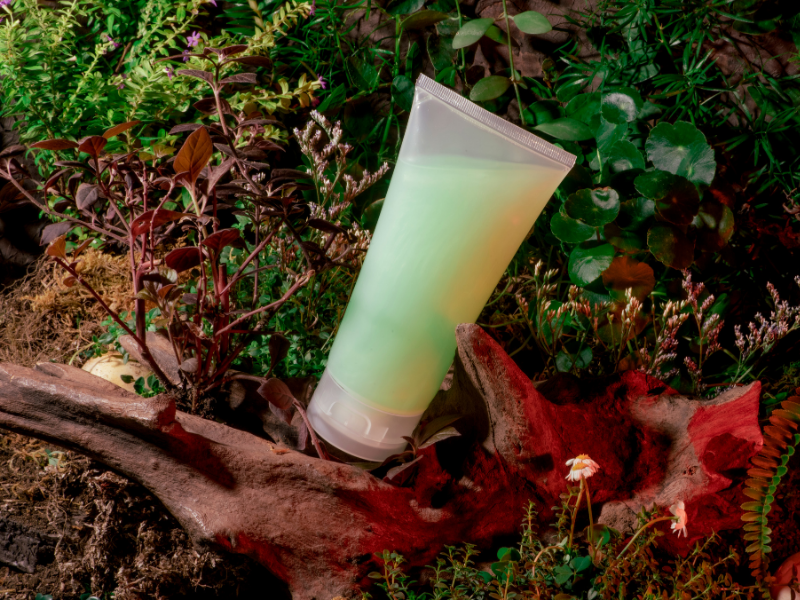
The sunscreens we use to protect ourselves from the harmful UV rays of the sun during the summer months are essential for our skin health, but they can have serious negative effects on marine and ocean ecosystems.
Recent scientific research has revealed that some chemicals found in sunscreens threaten underwater life. Particularly, coral reefs and other marine organisms are quite vulnerable to the effects of these chemicals. So, how do sunscreens affect the marine ecosystem, which chemicals are problematic, and what can we do about it?
The Impact of Sunscreens on the Marine Ecosystem
Sunscreens contain chemical and mineral filters that protect our skin by absorbing or reflecting UV rays. However, these chemicals mix with water when we enter the sea or take a shower, reaching the marine ecosystem. Here are the main effects of sunscreens on marine life:
Coral Reef Bleaching
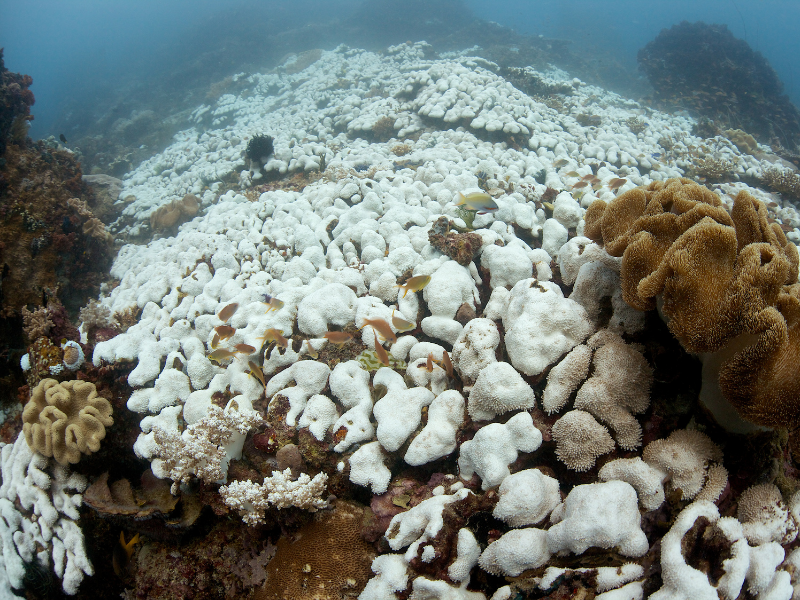
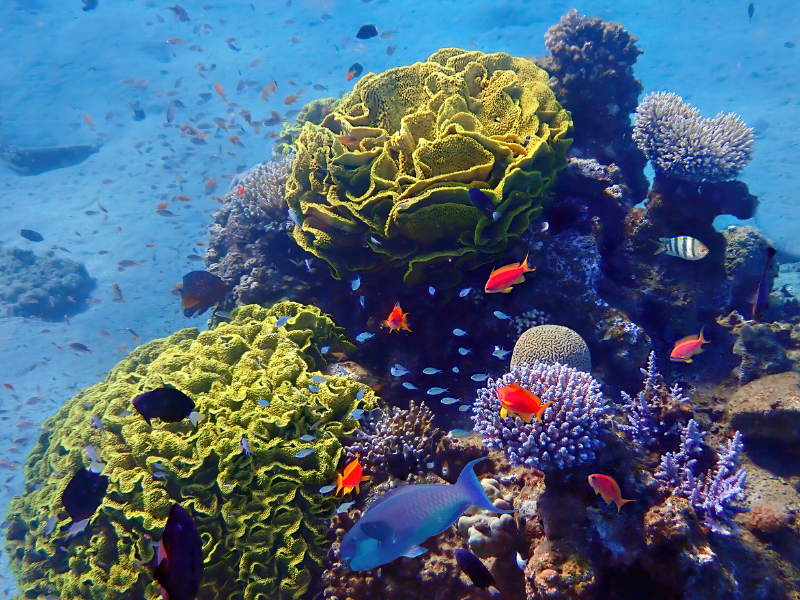
Coral reefs are referred to as the "rainforests" of the oceans and host thousands of marine organisms. However, chemical UV filters commonly used in sunscreens, such as oxybenzone and octinoxate, have a toxic effect on corals. These chemicals inhibit the corals' ability to perform photosynthesis, leading to bleaching. Bleached corals eventually die, negatively impacting the entire marine ecosystem.
A study conducted in 2016 showed that oxybenzone creates a toxic effect on coral larvae, hindering their development. Additionally, it was determined that this chemical is harmful to corals even at concentrations of 1 ppt (parts per trillion).
Damage to Marine Organisms' Reproductive Systems
The chemicals in sunscreens can disrupt the hormonal balance of marine organisms. Particularly, these substances exhibiting endocrine-disrupting properties can negatively affect the reproductive systems of fish and other aquatic creatures. This situation may lead to a decrease in marine populations and harm biodiversity.
Studies have shown that oxybenzone causes an increase in female characteristics in fish and a decrease in their reproductive capacities.
Microplastic Pollution
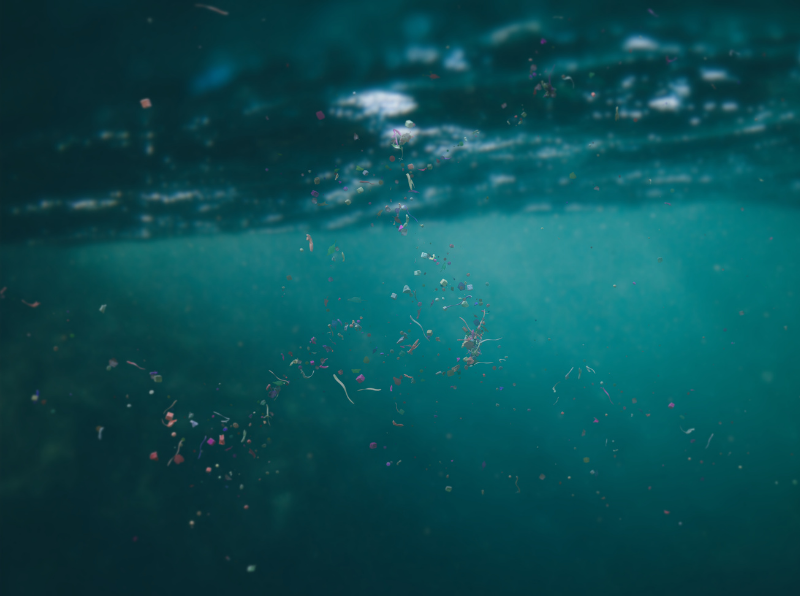
Some sunscreens contribute to marine pollution with the microplastics they contain. This small...Plastic particles can be ingested by marine life and can enter the food chain, posing a threat to human health. Microplastics remain in the marine ecosystem for a long time and negatively affect natural life.The United Nations Environment Program (UNEP) estimates that approximately 14,000 tons of sunscreen chemicals enter the seas each year.**Which Chemicals Are Causing Problems?**The main chemicals commonly used in sunscreens that are harmful to the marine ecosystem are:**Oxybenzone:** Causes coral bleaching and death. It also exhibits endocrine-disrupting properties.**Octinoxate:** Toxic to corals like oxybenzone and disrupts hormonal balance.**Parabens:** These chemicals used as preservatives can harm the reproductive systems of marine life. Microplastics: Threaten the lives of marine organisms by polluting water sources.**Microplastics:** Threaten the lives of marine organisms by polluting water sources.| **Aminobenzoate** | Para-aminobenzoic acid (PABA)
2-Ethylhexyl 4-(dimethylamino)benzoate
Ethoxylated ethyl-4-aminobenzoate |
|--------------------|---------------------------------------------------------------------------------------------------------------------|
| **Benzophenones** | 2-hydroxy-4-methoxybenzophenone
2-hydroxy-4-methoxybenzophenone-5-sulfonic acid
2,2'-dihydroxy-4-methoxybenzophenone
Hexyl 2-[4-(Diethylamino)-2-hydroxybenzoyl]benzoate
Bis-(diethylaminohydroxybenzoyl benzoyl) Piperazine (BDBP) |
| **Cinnamates** | Isopentyl 4-Methoxycinnamate
2-Ethylhexyl 4-Methoxycinnamate
2-Ethoxyethyl 4-Methoxycinnamate
2-ethylhexyl 2-cyano-3,3-diphenyl-2-propenoate |
| **Slicylates** | Benzyl salicylate
2-ethylhexyl salicylate
Homomenthyl salicylate |
| **Triazine Derivatives** | 2,4,6-trianilino-(p-carbo-2'-ethylhexyl-1'-oxy)-1, 3,5-triazine
4,4-{[6-[I[(1, 1-dimethylethyl)amino]carbonyl]phenyl]amino]-1,3-5-triazine-2,4-diyl]diimino}bis-, bis(2-ethylhexyl)ester
2,4-bis {[4-(2-ethyl-hexyloxy)-2-hydroxy]-phenyl]-6-(4-methoxyphenyl)-(1,3,5)-triazine
2,4,6-tri([1, 1'-biphenyl]-4-yl)-1,3,5-triazine (ТВРТ)
3,3'-(1,4-phenylene)bis(5,6-diphenyl-1,2,4-triazine)
| Camphor Derivatives | 4-Methylbenzylidene Camphor Benzylidene Camphor Sulfonic Acid Camphor Benzalkonium Methosulfate Terephthalylidene Dicamphor Sulfonic Acid |
| Other Organics | 1-(4-tert-butylphenyl)-3-(4-methoxyphenyl)propane1,3-dione 2-phenylbenzimidazole-5-sulphonic acid (PBS) Disodium Phenyl Dibenzimidazole Tetrasulfonate Drometrizole Trisiloxane Methylene Bis-benzotriazolyl Tetramethylbutylphenol |
| Inorganics | Titanium Dioxide Zinc Oxide |
Table 1. Examples of chemicals used as UV filters in sunscreens and personal care products.
What Can We Do? Solution Suggestions
To protect the marine ecosystem, we can be more conscious in choosing sunscreen and turn to eco-friendly alternatives.
Choose Reef-Safe Sunscreens
Sunscreens labeled as reef-safe do not contain harmful chemicals such as oxybenzone and octinoxate. Instead, they use mineral filters like zinc oxide or titanium dioxide, which are inorganic compounds. It is important to prefer products that specify non-nano, meaning that the particle size is larger than 100 nanometers, for zinc oxide or titanium dioxide. These minerals create a physical barrier on the skin, reflecting UV rays and are safer for the marine ecosystem.
Use Natural and Organic Products
NatureOrganic certified sunscreens with herbal-based ingredients contain no synthetic chemicals. These products are a safer option for both skin health and the environment. Use Protective Clothing and Accessories You can prefer UV-protected clothing, hats, and sunglasses to reduce the use of sunscreen. This method protects your skin and does not harm the marine ecosystem.**Conscious Consumption and Awareness**By reading the ingredients of the products you purchase, you can opt for options that do not contain harmful chemicals. Additionally, waiting for the product to be absorbed by the skin before entering the sea while using sunscreen can reduce the risk of chemicals mixing into the water.**Support Legal Regulations**Some countries (such as Hawaii, Palau, and Key West) have enacted laws banning the use of sunscreens containing oxybenzone and octinoxate. Supporting the spread of such legal regulations can contribute to the protection of the marine ecosystem.**Conclusion**While sunscreens are important for our skin health, we must not overlook their effects on the marine ecosystem. Scientific research shows that chemicals like oxybenzone and octinoxate cause serious harm to coral reefs and other marine life. Therefore, by choosing eco-friendly and reef-safe products, we can protect both ourselves and marine life.Let us remember that a healthy planet is our shared responsibility. Let’s take action today to protect our seas and be more conscious in our sunscreen choices. Because nature is entrusted to us!