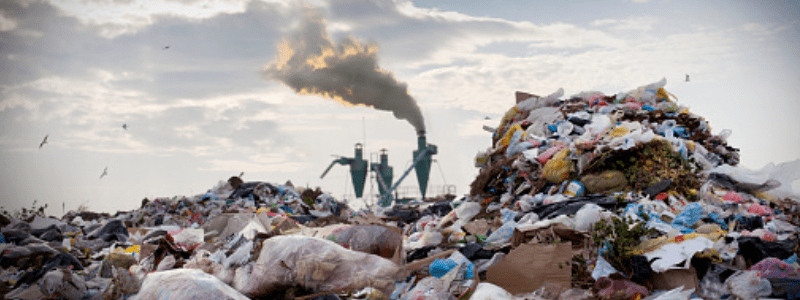
It is a fact that we can contribute to the economy and our environment by recycling most of the solid waste, and with the energy we obtain from it, we can also breathe life into our surroundings. But how?
I can almost hear those who are distant from the subject saying, “Energy from waste?” Don’t be surprised! Because I have a strong belief that after reading this article, you will start to think more about waste and look at it as an “undervalued asset.” Our body is 70% water. We have about 200 different types of cells, totaling around 100 trillion, and approximately 50 million of these cells are renewed every second. Our heart circulates an average of 7 liters of blood throughout our body every minute without stopping. But what if we didn’t have the energy to accomplish all this? At that point, along with all those hardworking cells, we would greet a vegetative state. A living being not needing energy would disrupt the energy balance of the universe; in other words, it is physically impossible. The clarity of our waters, the blueness of our air, and the greenness of our soil are directly proportional to our health and energy because what embraces us as a result of all these is an oxygen-rich environment.Every solid waste that has reached the end of its usage time and needs to be removed from our environment is called “solid waste.” It is evident that we are surrounded by many types of waste such as plastics, glass, metals, etc. While we can contribute to the economy and our environment by recycling most of the solid waste, it is also a fact that we can breathe life into our environment with the energy we obtain from them. But how?There are various technologies available for the disposal of solid waste with minimal environmental pollution. Among these methods, the most commonly used are incineration, composting, and sanitary landfilling. Of these, only sanitary landfilling is a final waste disposal method. After ensuring the impermeability of the landfill site, the dumped waste is compacted every day and covered with 20 cm of soil from all sides. As the land fills up, necessary piping systems are also installed to remove gases that will form as a result of decomposition, and after the land is completely filled, it is covered with 1 meter of soil.The final removal is achieved by decomposing.
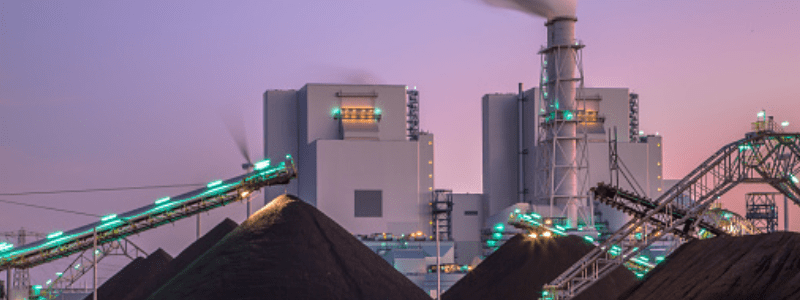
The organic materials found in the waste we create are converted into harmful gases such as carbon dioxide, methane, ammonia, and hydrogen sulfide, as well as water, as a result of anaerobic decomposition. Among these, methane gas is a flammable gas with a high calorific value. Therefore, collecting methane and using it for energy production has become inevitable. The gas formed as a result of anaerobic decomposition, aided by anaerobic bacteria that consume the oxygen in the waste stored in solid waste landfills over time, is called LFG (Landfill Gas) or biogas. Even after landfill sites are filled and closed, they can produce gas for energy raw materials for 20 to 30 years.
As long as landfill gases are not controlled through the practices stipulated by both the "Solid Waste Control Regulation" and EIA (Environmental Impact Assessment), they pose a significant danger.
So, what are the main environmental impacts?
It poses a threat to human health due to the toxic substances it contains,
When the concentration of methane gas in the air reaches 5-14%, it can explode, causing fires and loss of life,
The landfill gases cover plant roots, cutting off their contact with air, preventing plant growth, and hindering the greening of our environment.
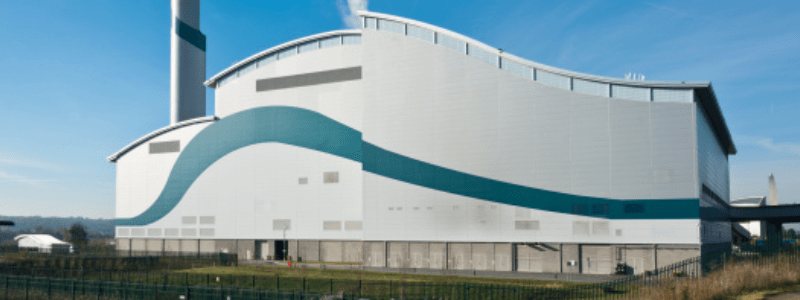
The total gas production from waste is approximately 100-200 Nm³ per ton of waste, with a heating value of this gas around 5-6 kWh/Nm³. In the first 15-20 years, these wastes produce about 50% of their total gas capacities, yielding approximately 2-6 Nm³ of gas per ton of waste per year. This corresponds to an energy potential of 10-30 kWh. From the organic part of the waste, an average of 4-6 Nm³ of gas is produced annually, with a heating value of 5.5 kWh/Nm³. With these characteristics, each normal cubic meter of landfill gas corresponds to about half a cubic meter of natural gas imported into the country, serving as a primary energy source that benefits the economy. The gas collected in a place through gas collection wells has a combustion temperature of 800 °C.
Energy production is realized by being given to a combustion chimney located on the landfill.Istaç uses the landfill gas generated at the Odayeri and Kömürcüoda Regular Storage Areas on the European and Asian sides of Istanbul by burning it in a controlled manner for energy production. In energy production activities, a total of 65 MWh of electricity is produced, with 45 MWh at the Odayeri Regular Storage Area and 20 MWh at the Kömürcüoda, and this electricity, obtained entirely from landfill gas, can meet the residential electricity needs of approximately 600 thousand people. The revenue generated from electricity production is used to reduce costs in Istanbul's city cleaning and other waste management activities.