The Zero Waste Regulation is a waste management system initiated under the patronage of Mrs. Emine Erdoğan.
The Zero Waste Management System; especially in public areas; adopts the principles of preventing waste, using resources efficiently, preventing and reducing waste generation, separate collection at the source, and recovery, in accordance with regulations.
Who Implements the Zero Waste System?

The Zero Waste Regulation was published by the Ministry of Environment and Urbanization on July 12, 2019. This regulation specifies the institutions that are required to implement the Zero Waste System and sets deadlines for the transition to implementation.
In the Zero Waste Regulation, the institutions obligated to implement the zero waste system are examined in two main groups: local administrations and buildings/campuses. At the same time, guidance is provided for institutions that wish to voluntarily implement this system.
What is the Deadline for Local Administrations to Transition to the Zero Waste System?

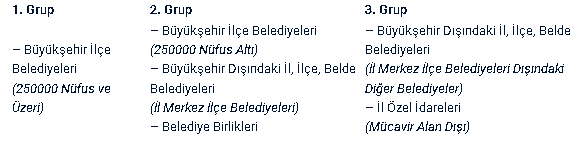
Local administrations are divided into 3 groups according to the completion dates for transitioning to the zero waste system. Those in Group 1 must complete the transition to the Zero Waste System by December 31, 2021; those in Group 2 must also complete it by December 31, 2021; and those in Group 3 must complete it by December 31, 2022.
What is the Deadline for Buildings and Campuses to Transition to the Zero Waste System?
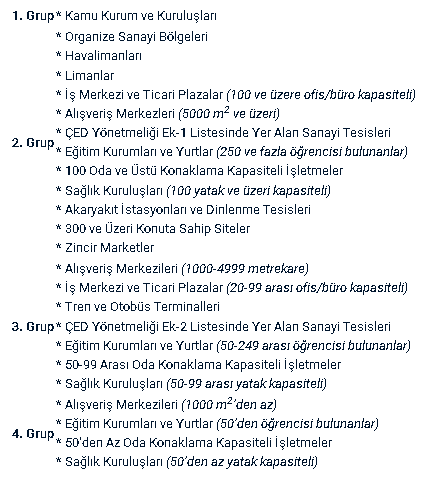
Buildings and campuses are divided into 4 groups according to the completion dates for transitioning to the zero waste system. Those in Group 1 must complete the transition by June 1, 2020; those in Group 2 by December 31, 2020; those in Group 3 by December 31, 2021; and those in Group 4 by December 31, 2022.
Local administrations, businesses in the specified groups in buildings/campuses, and other voluntary institutions will be awarded the Basic Level Zero Waste Certificate if the activities carried out within the scope of the zero waste system are deemed sufficient and appropriate.
Local administrations, buildings/campuses, and other participants who voluntarily implement this system are required to ensure that the activities carried out within the scope of the zero waste system are appropriate and sufficient.
In the case of a basic level, the Ministry of Environment and Urbanization issues a "Basic Level Zero Waste Certificate."Following the one-year period after obtaining the basic level zero waste certificate, if the necessary conditions are met, the established zero waste management system can also be certified as silver, gold, or platinum level.The following institutions must apply for silver, gold, or platinum zero waste certificates after obtaining the basic level zero waste certificate:Provincial municipalities,
Municipalities of districts with a population over 50,000,
Organized industrial zones,
Shopping centers,
Airports,
Train and bus terminals,
Ports, and businesses with accommodation capacities of 50 rooms or more.**Is Consulting Necessary in the Zero Waste System?**Those responsible for establishing the zero waste management system and those who wish to voluntarily establish the system can receive consulting services for the establishment and development of the zero waste management system.Those who want to obtain a platinum certificate are required to receive consulting services.In local administrations; other municipalities outside the provincial center district municipalities and provincial special administrations outside the adjacent area can receive consulting services or employ an environmental officer.**What Activities Are Carried Out Within the Scope of Consulting in the Zero Waste System?**All individuals and institutions within the responsibility area of the zero waste system are informed about separating and collecting waste according to their types.
Infrastructure is established for the separate collection and temporary storage of waste that is collected separately at the source without mixing with each other. Depending on the type of activity, waste collection units are planned, and temporary waste storage areas are designed.
The processes of collecting waste separately at the source within the building/campus, storing it separately, temporarily storing it, and removing it from the facility, as well as recovery/disposal processes, are carried out and monitored in accordance with environmental legislation.The Ministry of Environment and Urbanization, in communication with the Provincial Directorate of Environment and Urbanization and other official institutions, manages the processes necessary for obtaining a zero waste certificate and other permits and certifications required in the zero waste management system. The existing waste management system is integrated into the zero waste management system. Instructions are created for the necessary work to be done. Policies aimed at preventing waste are developed; efforts are made both to reduce resource use and to prevent/reduce waste generation. Awareness-raising and training activities are conducted to promote the zero waste management system and increase awareness on this issue. Registration is made in the Zero Waste Information System of the Ministry of Environment and Urbanization, and data and documents related to the activities carried out within the scope of the zero waste system are submitted. Additionally, data related to the activities carried out within the scope of the Zero Waste Management System are declared in the Zero Waste Information System in January and July. Within the scope of the zero waste management system, the institution is periodically audited for both field compliance and documentation adequacy, and reporting is made to the institution's authority. Furthermore, if a platinum zero waste certificate is obtained, a zero waste sustainability report is prepared, which includes the activities, practices, innovations brought by the system, benefits achieved, and future goals after obtaining the certificate.