OHS Measurement
What is Analysis and Measurement?
Water Analyses
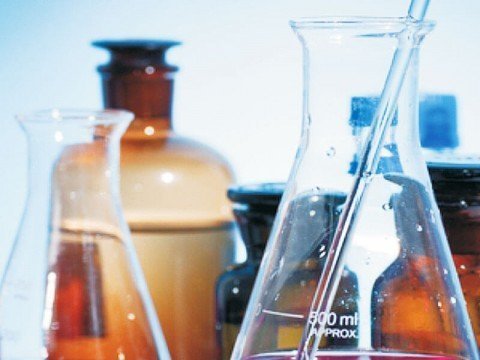
The analyses and measurements that must be carried out in accordance with Environmental Laws and Regulations are the decisive and most important parts of environmental management processes. The issue of the environment, which has gained significant importance within the framework of EU harmonization laws and the Kyoto Protocol, is directly related to measurements in the context of pollution prevention. As a result of the measurements, the emission discharge points that are found to be inappropriate and all environmental elements are secured with precautionary facilities that will ensure that the measurement results meet the limit values previously determined by laws. If the measurement results meet the limit values, the permit or license process of the business or industrial establishment concludes positively, and if there is an existing permit, its continuity is ensured.
Where are water analyses conducted? How are water analyses performed? In addition to all legal obligations, continuous process development studies are carried out in our R&D laboratory. While suitable processes and optimum working processes for the business are created, studies on the production and application of new technologies are also continuously ongoing.
To design clean water treatment facilities and determine the efficiency of the facility, analyses to be conducted on water hold a very important place. These analyses are carried out at certain intervals, and the analyses are examined and reported to the customer by our company's engineers. Additionally, these reports shed light on the solutions to any disruptions that may arise as a result of the operation of the treatment facility. All water analyses are conducted by our company.
Wastewater Analyses
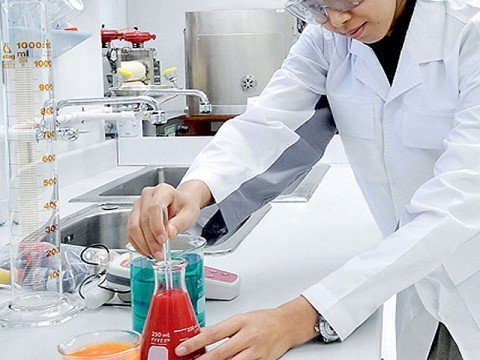
Wastewater analyses encompass the design of wastewater treatment facilities, the determination of the treatability of wastewater, and the analyses conducted on the effluent of the treatment facility. According to the Sampling and Analysis Methods Regulation for Water Pollution Control, treatment...The effluent from the facilities must be analyzed at regular intervals and reported to the Ministry of Environment and Urbanization. All wastewater analysis methods and wastewater parameters are conducted in our laboratory.
 Emission Measurement
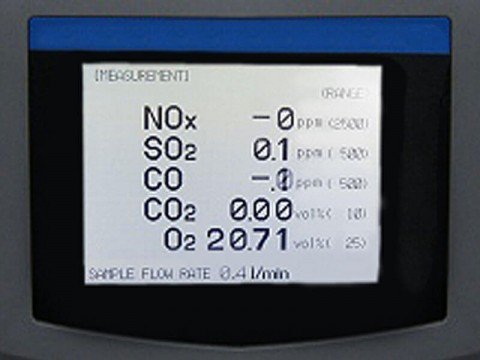
What is emission measurement? During the process of obtaining environmental permits and licenses, we carry out the mandatory verification measurements that are required to be conducted at specified intervals under the Regulation on the Control of Industrial Air Pollution and the Regulation on the Control of Air Pollution Caused by Heating.
 Noise Measurement
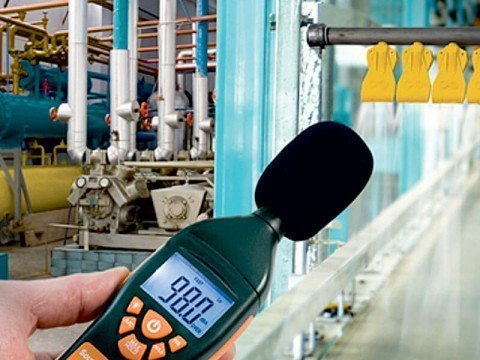
During the process of obtaining environmental permits and licenses and under the Environmental Noise Control Regulation, we provide services in the following areas that are mandatory:
- Conducting environmental noise measurements,
- Conducting acoustic noise measurements and modeling.;
Occupational Health and Safety Measurement
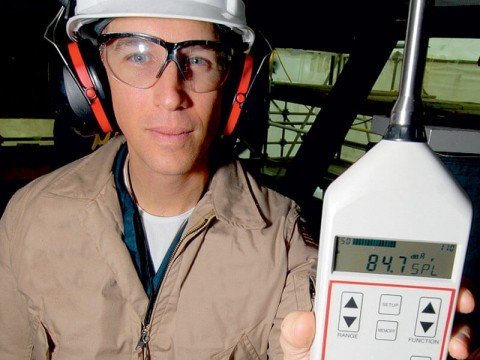
Under the control of the Ministry of Labor and Social Security;
Lighting
- Thermal comfort
- Indoor noise
- Indoor emission measurements
- Personal exposure measurements (noise, dust, vibration measurements)
- Measurements of flammable, explosive, and combustible gases
What is Analysis and Measurement?
Analysis and measurement are critical concepts that play an important role in many different fields and disciplines. Analysis is the detailed examination and understanding of a data set or situation. Measurement, on the other hand, is the determination of the quality or quantity of an object, event, or process. Both analysis and measurement are used in many areas. For example, businesses are required to conduct Occupational Health and Safety analyses and measurements under the control of the Ministry of Labor and Social Security.
Occupational Health and Safety Analysis and Measurement Service
These are measurement and analysis studies conducted to identify potential hazards and risks in workplaces, enhance employee safety, protect health, and fulfill legal requirements. These studies are carried out using various techniques and tools to assess different factors in the workplace. Reliable data and professional support are needed for occupational health and safety measurements, noise measurements, lighting measurements, and other measurements. Indoor measurements from occupational health and safety measurements include:
-
Lighting Measurement: The light levels in the workplace Measuring light levels helps determine whether workers are at risk in terms of eye health. These measurements are made using lux meters or light meters.
-
Thermal Comfort Measurement: Evaluating the suitability of individuals working in the workplace is important for protecting employees' health and increasing work efficiency. It is necessary to provide an appropriate air flow rate to ensure thermal comfort in the workplace and to remove harmful gases and dust from the work environment. This is measured using various anemometers.
-
Indoor Noise Measurement: Among the most important occupational health and safety workplace measurements, indoor noise measurement is included. Measuring noise levels in the workplace determines whether workers are at risk in terms of hearing health. These measurements are made using sound level meters.
-
Indoor Emission Measurement: This is the measurement of harmful chemicals released into the air from materials or products. These measurements are conducted to prevent the accumulation of pollutants such as volatile organic compounds (VOCs), formaldehyde, benzene, ozone, carbon monoxide, carbon dioxide, and radon, which have adverse effects on human health. Various testing methods are available for these measurements.
-
Water Purification Measurement: It is important to pay attention to TDS and pH values for water to be safely drinkable. Therefore, water purification measurement values are significant. The pH level of quality water ranges between 6.5 and 8.5.
-
Personal Exposure Measurement: This is used to measure individuals' exposure to environmental factors such as noise, dust, and vibration. These measurements are important in occupational health and safety matters and are necessary for the safety of employees in workplaces.These measurements are generally made using personal exposure measurement devices. The relevant devices can be attached to a person's clothing or close to them to record noise, dust, or vibration measurements in real time.
Artemis Arıtım is among the companies that measure dust. Vibration measurement and analysis is one of the elements that should be considered from an occupational health and safety perspective. These vibrations, which arise from mechanical oscillations affecting the body, are also referred to as vibrations. The vibration rate in workplaces must comply with established standards. Vibration measurements in workplaces are generally carried out in two different ways: "Hand-Arm Vibration Measurement" and "Whole Body Vibration Measurement."
Noise Measurement Regulation and Lighting Measurement Regulation
The noise measurement regulation is a regulation prepared to control noise levels that are harmful to the environment and human health. The regulation published in Turkey came into effect on March 26, 2019, under the name "Environmental and Urban Planning Ministry Noise Regulation." The regulation provides for certain measures to prevent the environmental effects of noise and protect human health. These measures include identifying, measuring, and evaluating noise sources. The lighting measurement regulation determines appropriate lighting conditions that are important for the health and safety of employees in workplaces. This regulation falls under the Occupational Health and Safety Legislation in Turkey. Ensuring appropriate lighting conditions in workplaces increases the efficiency of activities while also providing visual comfort for employees. The lighting regulation specifies the lighting levels in workplaces and the selection and installation of lighting devices.It determines the requirements related to its use and maintenance.
How Often is Lighting Measurement Conducted?
Workplace environment measurements are conducted every 6 years in workplaces classified as low risk, every 4 years in workplaces classified as hazardous, and every 2 years in workplaces classified as very hazardous, provided there are no changes in the workplaces. Accordingly, lighting measurement is conducted every 6, 4, or 2 years.
Artemis Arıtım provides services such as wastewater treatment plants, recovery systems and facilities, wastewater facilities, environmental management, analysis, occupational health and safety workplace environment measurement services, treatment chemicals, service, maintenance, and project consultancy with its expert and professional staff. Contact us immediately for your inquiries and questions.