Wastewater Treatment Sector Definition Artemis Treatment has a team that possesses the knowledge, experience, and expertise to meet the needs of many sectors, is always open to technological innovations, and aims to carry out correct and continuous work by planning the next step without being content with its current success. With this awareness, the most important and significant step to provide the healthiest services to companies in the treatment sector is to accurately define the "sector."
.jpg)
Making comments on something unknown and providing opinions on the subject is always difficult, and ultimately, failure is inevitable. For this reason, we must clearly understand what wastewater characterization means to us in order to provide reliable results to companies.
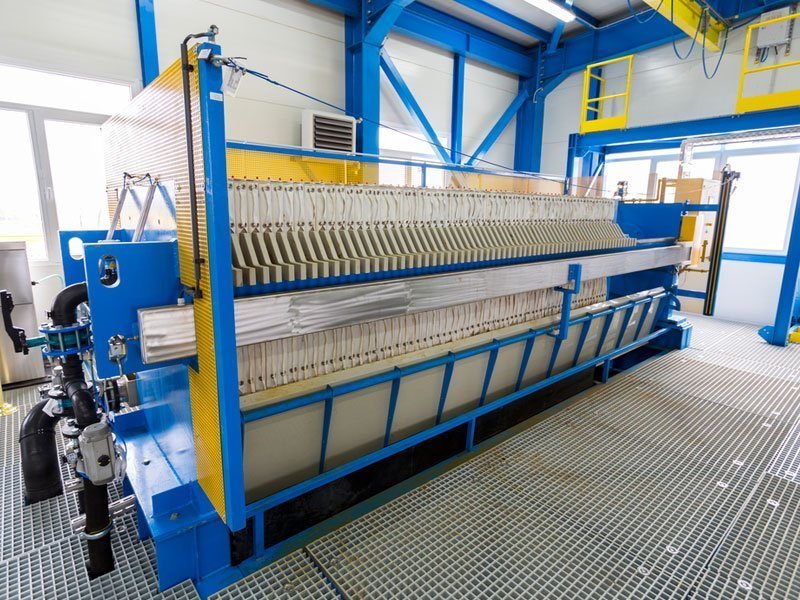
When considering wastewater characteristics, they encompass a wide range from coatings to milk and cheese production facilities, from textiles to chocolate factories, from recycling to waste acceptance facilities, and from the mining industry to the petroleum industry. Therefore, the best way to obtain accurate information from companies regarding their areas of activity and sources of wastewater generation is to communicate with environmental management units and ensure the procurement of documents that will reflect this information (capacity report, activity document, etc.). After the necessary information is obtained, pilot studies related to the physical, chemical, biological, and advanced treatment processes to be applied are conducted by examining the raw wastewater values brought under suitable conditions by our expert personnel in the laboratory. In addition to ensuring treatability, our work focuses on designs that provide different perspectives demonstrating the availability of technological possibilities outside of classical treatments, achieving the highest efficiency economically.
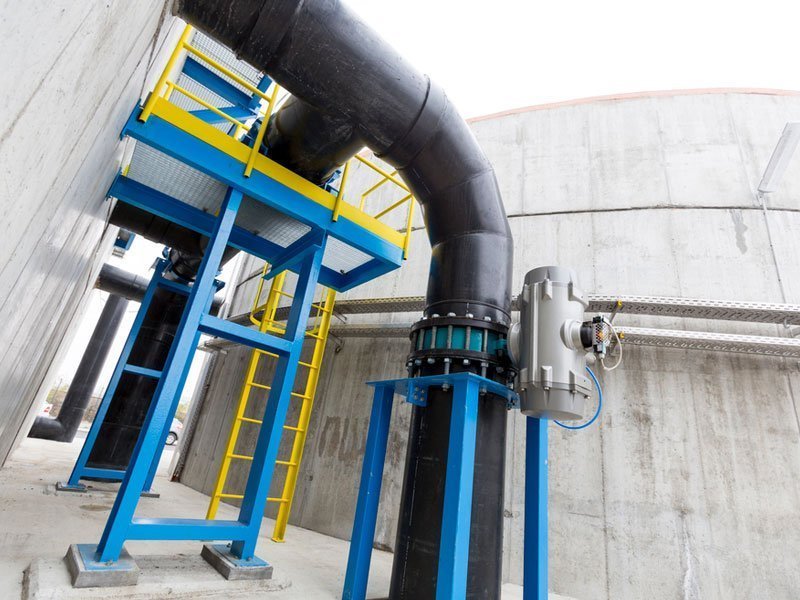
The capacity of each company, production area, working duration, the environment where wastewater is discharged, and the area where the facility is located differ from one another. In line with these factors, inspections are carried out by the Ministry of Environment and Urbanization or Environmental Provincial Directorates to prevent water pollution, and in case of failure to meet suitable conditions, penal actions are imposed. Therefore, the point where companies discharge the water from their wastewater treatment plants is extremely important. If the discharge points of companies are receiving environments, they are evaluated under the Water Pollution Control Regulation, while if they are located in an industrial area, different limit values determined by the management may also be applied, or restrictions may be imposed on the existing regulation. As a result, while conducting our design studies, the characteristics of the company mentioned above are taken into account; I believe that providing the best dosage of treatment to improve their systems according to the needs of the sectors is the best work we have done and will do since 1998.