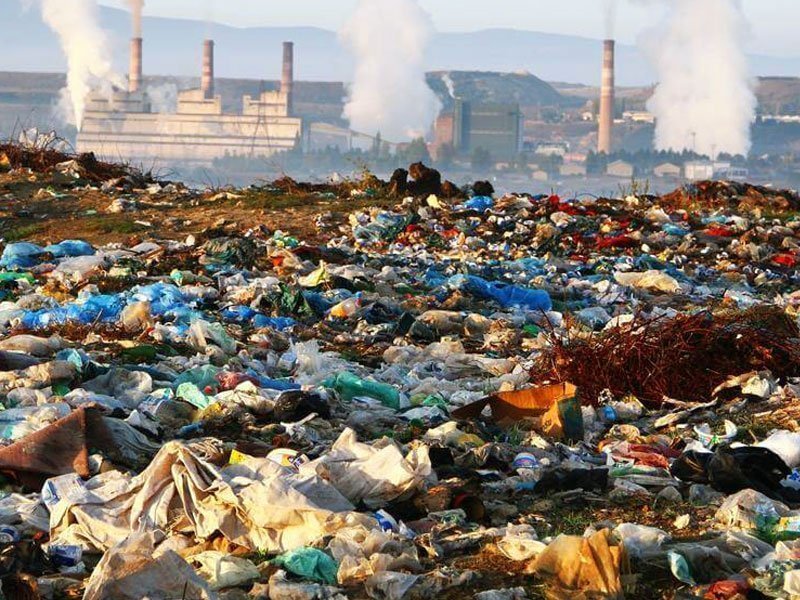
The Removal of Polychlorinated Biphenyls (PCBs) in Industrial Zone Soils With the rapid population growth towards the mid-twentieth century, soil pollution began to increase in parallel with the rapid development of industry and technology in agriculture and other fields (Gülçiçek, 2011). Due to its structure, soil is a material with a greater buffering capacity than air and water, so it takes time to notice pollution (Dönmez, 2012).
Soil is particularly a stopover for semi-volatile organic compounds (SVOCs) such as PCBs. PCBs are a class of compounds that contain chlorinated biphenyl molecules, consisting of 209 different congeners (Beaudette, 1998). Only a small portion of PCB technical mixture components, approximately 80-100 PCB components, are present in nature (Maervoet, 2004). PCB components are odorless, tasteless, and pale yellow in color.
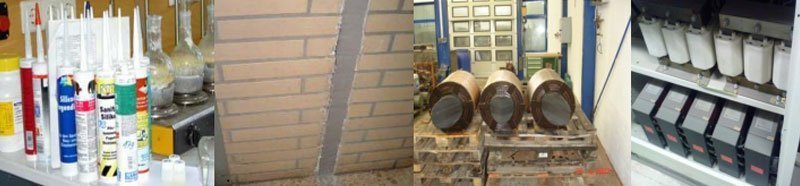
Due to their high resistance to degradation, PCBs tend to persist in the environment for a long time. They can remain in the atmosphere for up to 10 days (Kaya et al., 2002). Because of their lipophilic properties, PCBs are found in sediments by binding to organic residues. Their accumulation in polar environments like water is low. They are not persistent in the air as they are not volatile. Soil and sediment are the primary environments where they accumulate. Semi-volatile compounds can mix into the atmosphere and disperse into the environment through rain and snow. Figure 1 shows examples of substances containing PCBs.
In general, PCBs can be disposed of in three ways:
Combustion at temperatures above 1100°C,
Dechlorination through chemical methods
Dechlorination through biological (aerobic/anaerobic) methods
In summary, more comprehensive additional studies are needed regarding PCB contamination in soils in industrial areas, agricultural fields, and urban settlements, as well as the precautions that need to be taken. Because soil pollution constitutes one of the significant environmental problems that is becoming increasingly serious every day.