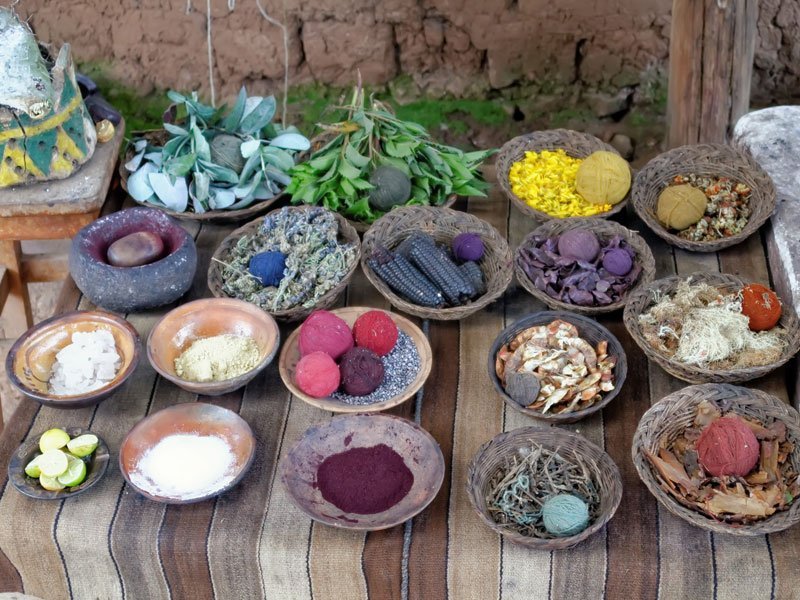
The Dyeing Process in Textiles and the Environmental Effects of the Resulting Wastewater Since ancient times, the substances used for fabric dyeing were obtained solely from natural sources such as plants, insects, and shellfish. This situation continued until the mid-19th century, such as obtaining blue from indigo and yellow from the canary flower.
However, today synthetic dyes have taken their place. First, let's take a look at the difference between dyes and coloring agents, which are often confused, and their effects on the environment, as well as the stages that dyes and coloring agents go through before they turn into wastewater when combined with water during textile dyeing processes.
What is Dye? What is Coloring Agent?
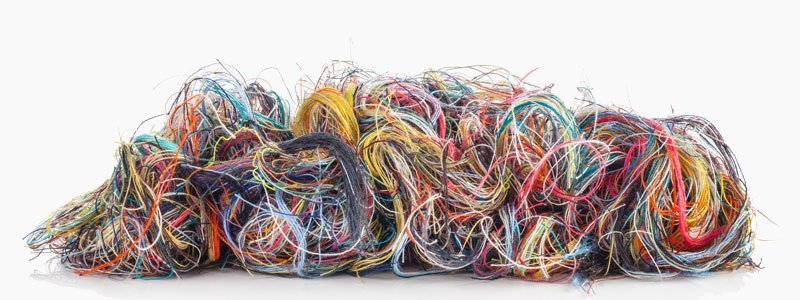
Dye is a chemical substance used to color objects. A coloring agent is a compound used to color textile materials and is chemically bonded to the product. The coloration made with coloring agents is not the same as that made with dyes. All coloring agents are organic compounds. Dyes, on the other hand, are generally inorganic in nature. There are very few that are organic. They do not change the surface they are applied to. They can be removed from the surface by various physical methods (scraping, etc.). Coloring agents, however, change the structure of the surface they are applied to. This is because coloring agents chemically react with the surface of the object. Therefore, they can only be removed from the surface of the product by chemical methods, not physical ones.
Use of Dye in the Textile Industry
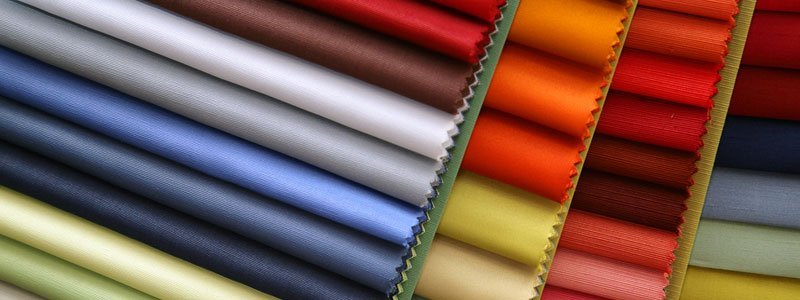
The dyeing process in textiles is very diverse; it includes fiber dyeing, yarn dyeing, fabric dyeing, and piece dyeing. Since all of these require a lot of detail, we will only discuss how a textile product that has undergone various pre-treatments (burning process, scouring, hydrophilization, singeing, mercerization, washing, thermofixation, bleaching, etc.) is colored here.
The choice of which dyes and how to dye depends on the type of fabric. It is important whether the fabric is made of cotton, silk, linen, wool, cashmere, acrylic, nylon, polyester, or Lycra. Sometimes a fabric may be entirely made of cotton or entirely made of polyester, while at other times it may consist of both cotton and polyester (like 50% cotton and 50% polyester). In such cases, the dyeing process also varies. Cotton fabrics are dyed with reactive dyes, polyesters with disperse dyes, and nylons with acid dyes.
How to Achieve the Desired Color
What is Liriz? 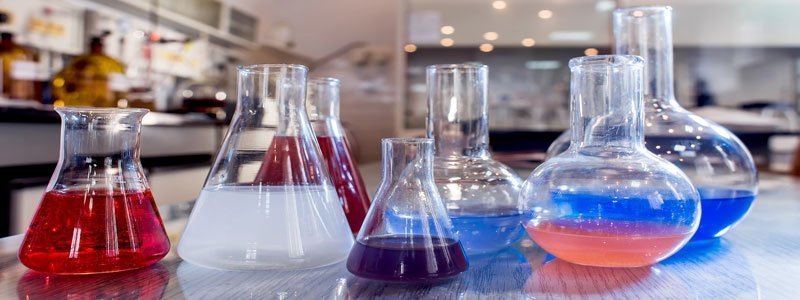
Painting factories take the fabrics sent for dyeing into the dyehouse and conduct small-scale color studies in their laboratories before dyeing. Companies (clients) cut 1-2 meters of samples from the fabrics they want to dye and send them to the laboratory along with the fabric information (whether it is cotton, nylon, etc.) and a color sample they want to dye or a color chosen from a color chart. In the laboratory, color studies are conducted with the sample fabrics sent for the desired color. Formulas are written to achieve the desired color. It is important for the person preparing the formulas to be experienced and have good color knowledge. As is known, colors are divided into two categories: primary colors and secondary colors. Primary colors are yellow, red, and blue. Secondary colors are those obtained by mixing various proportions of yellow, red, and blue. For example, orange is obtained from yellow and red, and purple is obtained from blue and red. Sometimes, there are colors obtained from various combinations of these three colors, such as khaki and black. When creating formulas, the proportions in which these colors will be combined are of great importance.
Fabrics that come to the laboratory are cut into a certain amount (usually 10 grams) and weighed, and based on this, the flotte ratio is calculated. A formula is prepared for the desired color. If the fabric is cotton, reactive dyes are used. In addition, water, salt, soda, and wetting agents are added to the tubes in calculated proportions using manual pipettes or automatic pipetting machines. The prepared tubes are generally placed in dyeing machines that contain oil, ensuring continuous rotation to achieve a homogeneous dyeing. These machines usually have a capacity of 12 to 24 tubes. The machine is automatically programmed for cotton dyeing. The temperature is 60 degrees. After the dyeing process is completed, the fabrics removed from the tubes are washed and dried in a dryer. Then, the dyed fabric is compared with the color desired by the client; if the desired color has been achieved, a color chart is prepared for the client and sent with a lot number. When comparing colors, it is done in a light booth under equal conditions.The fabric is examined under special lights. If the customer approves, the entire batch of fabric is sent to the dyeing facility and dyed according to the recipe created in the laboratory. If the desired color is not achieved, new recipes are prepared and color trials continue.In cotton/polyester blended fabrics, polyester dyeing is done first. Then, cotton dyeing is performed. The reason for this is that the temperature in polyester dyeing is 120-130 degrees. At this temperature, the dyeing agents in the cotton fabric separate from the fabric. If the fabric is polyester, dispersive dyeing agents are used. Recipes are written, tubes are prepared, and placed in the dyeing machine. After dyeing is completed, the fabrics removed from the tubes are washed and dried. They are compared with the desired color. Trials continue until the desired color is achieved.Dispersive dyeing agents have suitable fastness values and sufficient color strength on polyester fibers. Dispersive dyeing agents are divided into three groups: small molecules, medium molecules, and large molecules. Small molecules are applied using the exhaustion method, medium molecules are sometimes applied using exhaustion and sometimes using thermal methods, while large molecules are applied using thermal methods. The carrier/HT dyeing method is generally preferred with dispersive dyeing agents (carrier is an auxiliary substance used in dyeing that facilitates the transfer of the dye into the fiber).If the fabric is nylon, it is dyed with acid dyeing agents. The acid dyeing agents are dissolved by mixing with hot water. Recipes are written, tubes are prepared, and placed in the dyeing machine. pH is very important in nylon dyeing (while there may be differences in light and dark colors, a pH of 6 is generally desired). The bath temperature is usually 80 degrees. After dyeing is completed, the fabrics removed from the tubes are washed, and after drying, color evaluation is performed.There are many factors that affect achieving the desired color. These include lot differences in the yarn, salt concentration, pH, float ratio, temperature and time, the structure of the dyeing agent, the dyeing machine, ions from the dyeing water, and soda.Ions coming from the island vs.
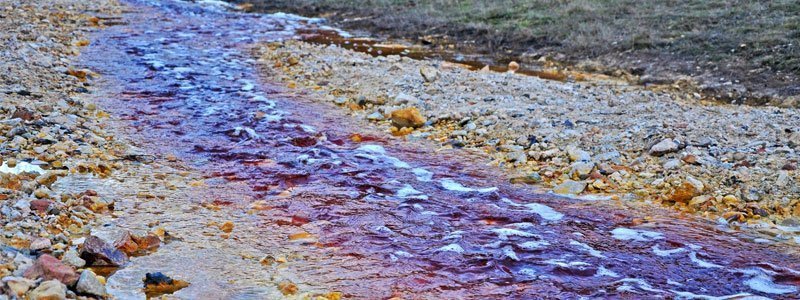
Dyes, auxiliary chemicals, etc. used in fabric dyeing create serious problems in the treatment of wastewater in the textile sector. While adsorption, filtration, and chemical processes are preferred for color removal from wastewater, biological active sludge systems are used for COD removal from colored wastewater. At the same time, membrane processes have started to be used widely. With the widespread adoption and accessibility of membrane technologies, the recovery of textile dyeing wastewater after treatment has become feasible. We will discuss the treatment processes of textile dyeing wastewater and how it can be recovered after treatment in another article. With the proliferation of recovery systems, both the conservation of natural resources and economic benefits can be achieved together.