Hotel for Bees Scientists around the world are sounding the alarm about the declining bee population. However, the diversity of wild and honeybee species in Amsterdam has increased by 45% since 2000.
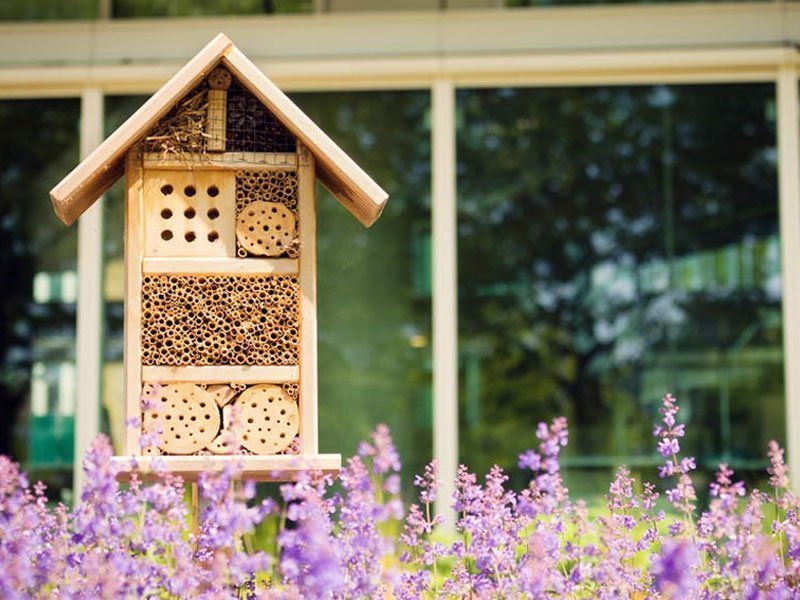
Especially the placement of "Bee Hotels" and the prohibition of chemical spraying in public areas play a very significant role.
Geert Timmermans, one of the 8 ecologists working for the city, says: "Bees are at the top of the food chain and they are very important. If things are going well for them, the same applies to birds and mammals."
The Amsterdam local government has created a $38.5 million sustainability fund to develop not only for bees but for the entire ecosystem by making meaningful investments.
At the same time, it has decided to enrich public areas with local and wild plants in a 50-50 ratio. The public is also aware of this.
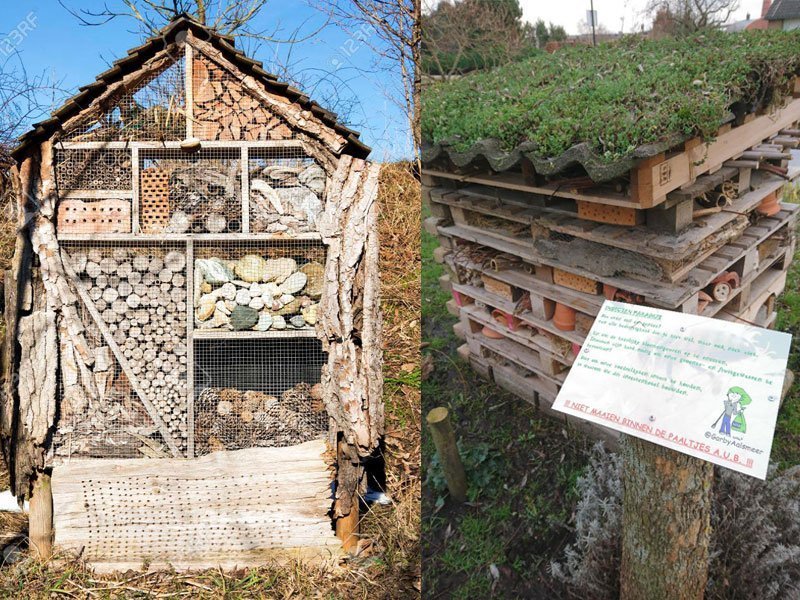
Strategies have been developed in "Bee Hotels" to also accommodate other pests/pollinators. These colonies are usually made from pallets and other natural materials.