What is Zero Waste? Zero Waste is an initiative launched under the patronage of Emine Erdoğan, aimed particularly at the efficient use of resources and the reduction of waste in public spaces...
.jpg)
What is Zero Waste?
Zero Waste is a waste management goal initiated under the patronage of Emine Erdoğan, aiming to reduce resource use and waste generation, especially in public areas, and to manage the resulting waste in a way that minimizes its environmental impact.
Is Zero Waste a Necessity?
The Ministry of Environment and Urbanization published a draft regulation for Zero Waste on April 6, 2019, which specifies the institutions and organizations that must establish a zero waste system. The Zero Waste Regulation is still in draft form, but the Ministry of Environment and Urbanization has already started zero waste initiatives in ports, organized industrial zones, and university campuses, and is requesting information from some institutions regarding their zero waste efforts.
Who Must Establish a Zero Waste System?
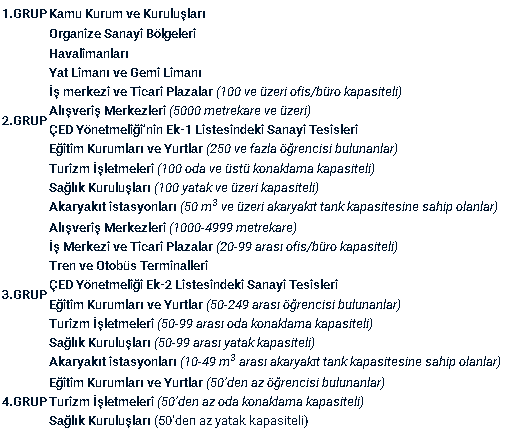
According to the draft regulation, institutions that are required to transition to a zero waste system are classified into four groups: Group 1 must complete the transition by June 1, 2020, Group 2 by December 31, 2020, Group 3 by December 31, 2021, and Group 4 by December 31, 2022.
What is Required for a Zero Waste System?
The zero waste system is a waste management philosophy based on continuous improvement. There are some basic criteria that indicate the transition to a zero waste system; the system begins with the establishment of these basic criteria and continues throughout the life of an institution or organization. For a building or campus, there are 9 basic criteria. Zero waste starts with these basic criteria and maintains its existence through continuous control and continuous improvement philosophy, just like in quality policy; 1. Collecting paper, glass, metal, and plastic waste separately from other waste. 2. Collecting waste batteries, used cooking oil, waste electrical and electronic equipment, and other recyclable waste separately. 3. Complying with the relevant legislation for other non-hazardous and hazardous waste not specified in criteria 1 and 2, as well as medical waste.1. Accumulation of biodegradable waste in points such as tea houses, cafeterias, and dining halls where they show intense formation; if preferred, obtaining compost on-site or sending these wastes to the relevant authority's composting or bio-methanization facility.2. Compliance with color criteria in accumulation equipment, and inclusion of informative signs or writings specific to the waste.3. All accumulation equipment must be of the correct volume, quantity, and specifications.4. Collected wastes must be gathered in a temporary storage area created for delivery to licensed waste processing facilities or the relevant authority's collection system.5. Providing necessary informational training regarding the zero waste management system.6. Obtaining the permits and licenses that are mandatory under the Environmental Law and the regulations prepared within the scope of this Law.