How to Establish a Zero Waste System? The Zero Waste System is a waste management goal based on reducing resource use and waste generation, managing the resulting waste in a way that minimizes its harm to the environment, and reintegrating it into the economy.
.jpg)
The Zero Waste System not only contributes to the improvement of environmental performance but also creates new value for organizations. While increasing the value of the structure in the eyes of society, it can also play a role in reducing costs by raising consumption awareness and directing towards a circular economy. Additionally, the Ministry of Environment and Urbanization aims to promote this system through the Zero Waste Regulation and to manage it sustainably.
1- Environmental Permit and License

Firstly, in order for the zero waste system to be certified, the building and campus must fulfill the permit and license requirements mandated by environmental legislation.
2- Recyclable Wastes

Recyclable packaging wastes; paper, glass, metal, and plastic wastes should be collected separately from other wastes. These packaging wastes can also be sorted internally according to the area where the waste is generated. For example, in areas where paper packaging is heavily produced or in places where facilities engage in packaging waste collection and sorting activities, it is possible to collect packaging wastes separately according to their types from the point of generation. Packaging wastes are coded in blue color within the zero waste system.
3- Hazardous Wastes and Electronic Wastes

Waste batteries and vegetable waste oils, in other words, frying oils are classified as hazardous wastes. Many electrical and electronic items generated in daily life also fall into the category of hazardous wastes. These hazardous wastes must be collected separately from recyclable wastes and household wastes. The color red can be used for hazardous wastes.
4- Medical Wastes

In buildings and campuses with a health intervention unit or infirmary, medical wastes must also be collected separately. For sharp and piercing medical wastes, specially available sharp boxes are used, while non-sharp medical wastes are collected in medical waste bags.
waste should be used. Orange color can be used for medical waste.
5- Biodegradable Waste

In areas where biodegradable waste is densely generated within the building and campus; especially in places like kitchens, tea houses, cafeterias, and dining halls, biodegradable waste should be collected separately. Compost can also be produced from biodegradable waste in the building and campus where it is generated. In cases where it is not suitable or preferred to produce compost at the point of waste generation, it can be sent to licensed composting or biomethanization facilities. The materials resulting from compost can be used as soil amendments for plants. Biomethanization facilities obtain energy from biodegradable waste and use the remaining part for fertilizer production activities. Brown can be used for biodegradable waste.
6- Informative Texts and Visuals
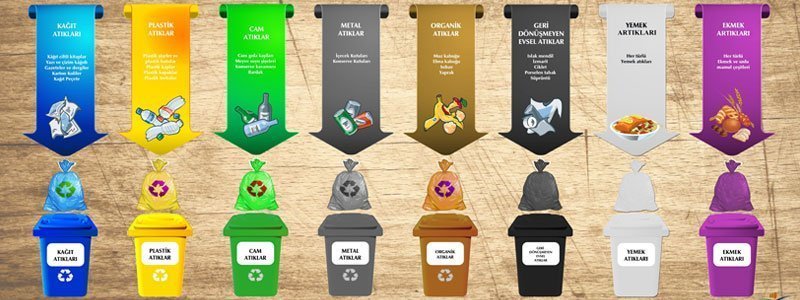
Color codes recommended by the zero waste system should be used for recyclable waste, hazardous and medical waste, electronic waste, and biodegradable waste. Additionally, informative texts and visuals should be present at separate collection points to ensure that waste is disposed of in the correct collection point.
7- Collection Equipment
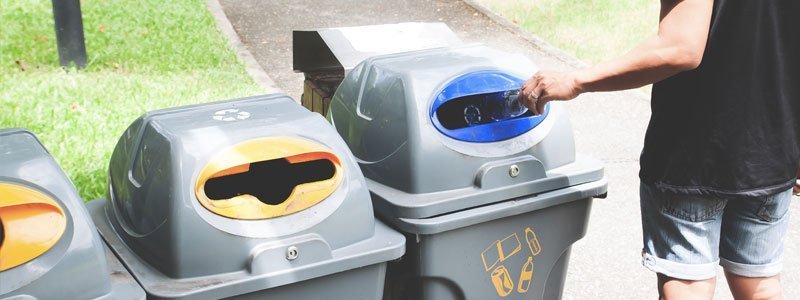
The volumes, numbers, and characteristics of collection equipment should be suitable for the properties and quantities of the waste to be collected. For example, in areas where paper waste may be generated in large amounts, more frequent paper waste collection stations can be established. For biodegradable waste that may produce odors, the planned collection equipment should preferably have closed lids and should be emptied frequently.
8- Temporary Storage Areas
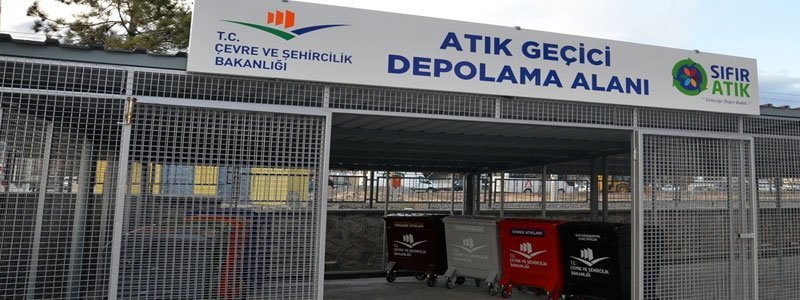
Temporary storage areas should be created for waste that is collected separately until it is removed from the building and campus. The waste stored in the temporary storage area should be sent to licensed collection/recycling facilities.
9- Training and Awareness Activities

For this zero waste system established within the building and campus, waste collectors and siTraining and awareness organizations should be organized for all participants, especially for the managers of the system. Since the individuals who generate waste will ensure the continuity of the system, informing all participants about the system will contribute to the establishment of a sustainable system.