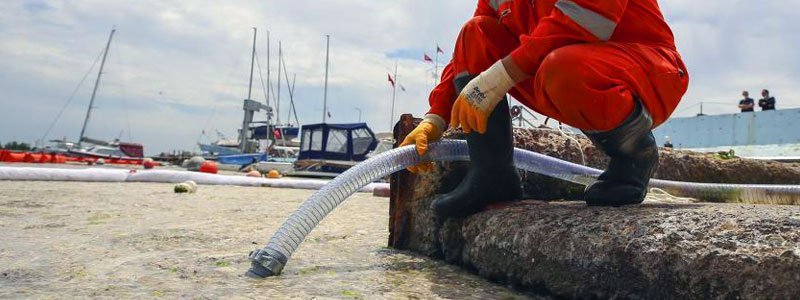
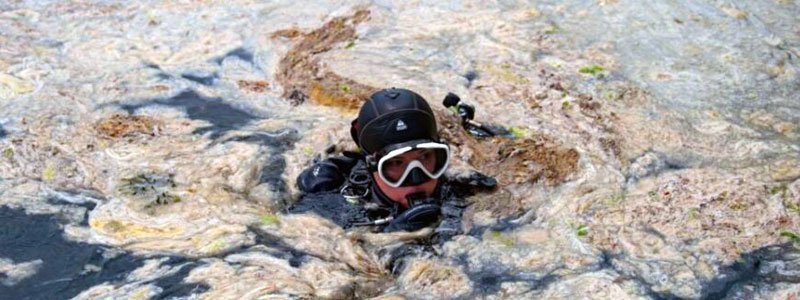
We are following the issue of mucilage, also known as sea snot, which is observed in almost the entire area of 11,350 km2 of the Sea of Marmara, with heavy hearts.
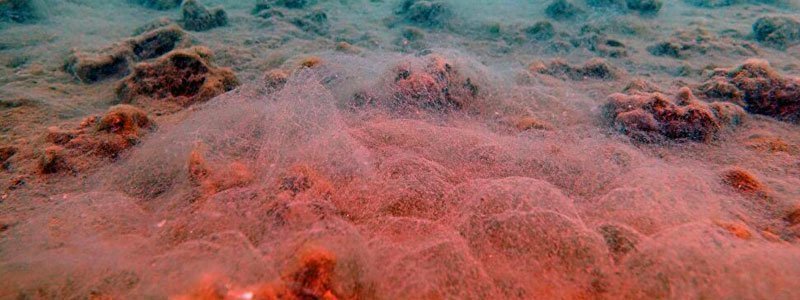
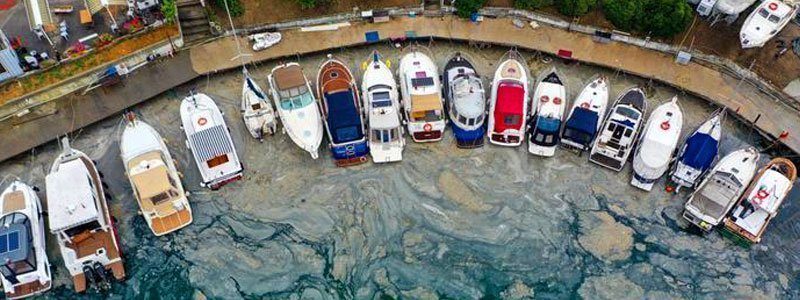
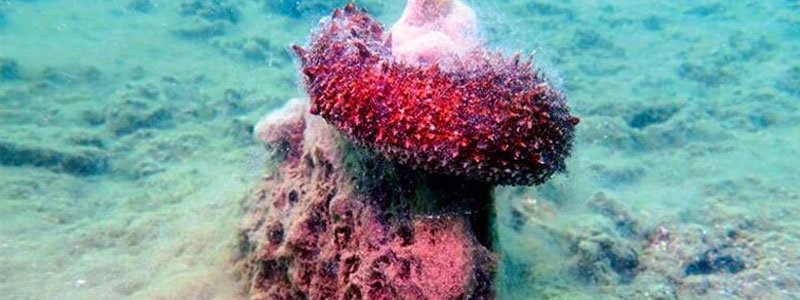
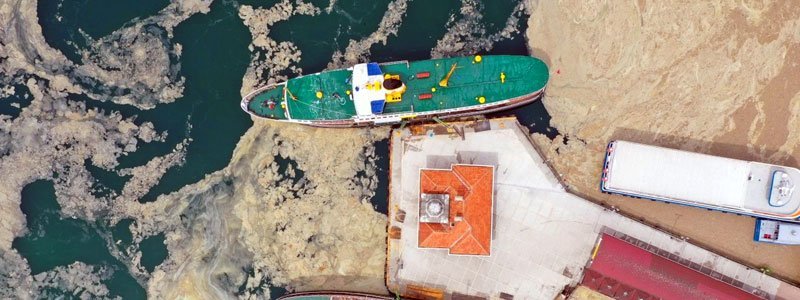
The Marmara Sea can no longer bear the pollution load we discharge and is gasping for help from us.So how did the Marmara Sea come to this state? What are the correct methods to sustain the Marmara Sea?**What is Mucilage? Why Does It Form?**Due to the abnormal conditions experienced in the Marmara Sea, mucilage has been observed since November. Mucilage is a slimy secretion composed of 99% water, released by the excessive proliferation of phytoplankton, which are the oxygen source of the seas. So why are phytoplankton proliferating excessively?Ecosystems have response mechanisms to maintain their balance against abnormal conditions. Phytoplankton are rapidly proliferating to consume the increasing nitrogen and phosphorus in the Marmara Sea. The metabolic waste of rapidly proliferating phytoplankton forms the mucilage secretion. In stagnant seas like the Marmara Sea, the flocculation of mucilage results in the formation of layers on the water surface.Microorganisms such as bacteria and viruses cluster on the mucilage, creating mucilage chains that can be dozens of meters long. Thus, although mucilage is organic matter, it harbors three times more microorganisms than the surrounding water. This situation makes mucilage a structure that should be removed for the health of the environment and living organisms.The layered state of mucilage, which can reach a thickness of 10 cm on the water surface, is the final stage of mucilage. The latest form of mucilage that spreads prevents sunlight from reaching the seawater. Due to autotrophic organisms being unable to produce oxygen without sunlight, the dissolved oxygen value in the sea decreases.**Factors Triggering the Formation of Mucilage**1. **Higher Than Average Sea Temperature**It is possible to see the effects of climate change, one of the biggest global environmental problems, in every area. The increase in temperatures due to climate change causes sea temperatures to rise above average.When looking at the 40-year average temperature of the Sea of Marmara, it is currently 2.5 °C higher than the average, with a significant increase in temperatures observed especially between 2010 and 2020. When we examine the correlation between climate change and the formation of mucilage, we see an increase in mucilage formation over the past 20 years.The mucilage problem experienced in the Sea of Marmara in recent days differs from previous formations in terms of factors such as the area it spreads, temporal duration, density, and layer thickness, presenting a significant issue.**2-Low Circulation in the Sea, Stagnant Marine Environment**The Sea of Marmara is inherently a stagnant inland sea. Meteorological conditions resulting from climate change also reduce circulation at the sea surface. With this characteristic, Marmara is a sea conducive to mucilage formation.**3-Excess Nitrogen and Phosphorus Load in the Sea**Approximately 25 million people live around the Sea of Marmara, with industrial facilities and agricultural activities being intensive. As a result of unconscious agricultural practices, the nitrogen and phosphorus load in the soil reaches Marmara, and the indirect or direct deep-sea discharge of untreated domestic and industrial wastewater or wastewater not meeting the discharge criteria suitable for the natural structure of the Sea of Marmara increases the organic pollution load of Marmara.Every ecosystem has the capacity to renew itself in the face of pollution. However, we are exposing the Sea of Marmara to a pollution load that it cannot renew itself from. The Sea of Marmara can no longer carry the pollution load we discharge into it.**The Invisible Part of the Iceberg: Organisms on the Sea Floor are Dying**Since mucilage covers the seabed, it causes the death of living organisms residing on the seabed. Mucilage negatively affects the living life beneath the area it covers, leading to the death of marine creatures.Mucilage causes the death of fish by clogging their gills. In the Sea of Marmara, mucilage is the reason for fish deaths.Thousands of fish deaths have been observed, and the deaths continue to increase. Fish cannot survive where there is mucilage.Pines, which play a role in reducing sea pollution by filtering water, are also among the species negatively affected by mucilage. In December, the pines, which experienced increased deaths due to mucilage, are now covered with mucilage.Sea cucumbers, one of the largest cleaners of the seas, whose decreasing population negatively affects the seas and is therefore banned from fishing, are also seriously affected by mucilage.Seagrasses, which create habitats for many species and contribute significantly to enriching our seas with oxygen by producing over 10 liters of oxygen per square meter every day, are also covered with mucilage.The increase in mucilage-related deaths of organisms such as pines, sea cucumbers, and seagrasses, which play an important role in sea water quality, is decreasing the quality of sea water. In areas covered with mucilage, the seawater becomes murky, marine organisms cannot see sunlight, cannot produce oxygen, and become unable to find their way due to reduced visibility.**The Invisible Part of the Iceberg: Ship Systems Under Threat**Mucilage threatens not only marine life but also ships passing through the Sea of Marmara, maritime transport, and maritime trade.Seawater is drawn in by pumps to keep ship engines cool and is used as cooling water. Mucilage causes the filters in the cooling systems of ships to clog very quickly, damaging the ship systems.This situation highlights that the urgent resolution of the mucilage problem is important not only from an environmental perspective but also from an economic perspective.**How Effective is Mucilage Removal from the Sea Surface?**Mucilage removal from the sea surface only improves the visible part of the iceberg.The sweeping application causes a portion of the mucilage to settle to the bottom of the sea, continuing the mucilage problem on the seabed. As long as the factors causing mucilage are not prevented, the mucilage swept from the surface will return to the area.The solution to the mucilage problem is possible by combating the climate crisis to prevent the excessive pollution load of the Marmara and to stop the increase in average temperatures.**The Way to Sustain the Sea of Marmara Passes Through Wastewater Treatment Plants**The main reason for the increase in pollution load in the Sea of Marmara is the discharge of untreated wastewater into the sea due to incorrect wastewater policies. According to İSKİ's data, it is concluded that in 2019 and 2020, approximately 70% of the wastewater in Istanbul was discharged into the Sea of Marmara through deep sea discharge after only preliminary treatment. When considering the wastewater discharged from the provinces of Çanakkale, Balıkesir, Bursa, Kocaeli, and Yalova to the Marmara, the excessive pollution load is revealed.The depth and diffuser structure of the wastewater discharge into the sea are calculated according to the dilution phases of the wastewater. Given that mucilage has been spreading for a long time, it is important to reassess the depth and diffuser criteria by evaluating changing conditions (climate crisis, population growth).To control the pollution load in the Sea of Marmara, reducing the discharged organic matter load, as well as lowering the discharge criteria for parameters such as oil-grease, color, suspended solids, and odor, and transforming preliminary treatment plants into advanced biological treatment plants is crucial in solving the mucilage problem.**Other Measures to be Taken**1- Reducing the Environmental Load of Fish FarmsIn fish farms, the use of feed and organic matter...My memory increases the amount of nitrogen and phosphorus in the seas. Especially in closed and stagnant seas, the environmental impact of fish farming activities is greater. To reduce the negative effects of fish farms on the seas, it is recommended to monitor the compliance of the farms with regulations and to relocate fish farms to areas where the environmental load can be minimized while also maximizing fish production.**2- Reducing the Environmental Load of Ships**Ballast water on ships must be controlled. The transportation of pathogens and bacteria through ships should be prevented by ensuring compliance with the provisions of the International Convention on the Control and Management of Ships' Ballast Water and Sediments.**3- Management of Marine Waste and Solid Waste**Land-based waste also causes pollution in the seas. By ensuring full compliance of coastal municipalities with the Marine Waste Action Plan, land-based waste should be prevented from reaching the sea, and land-based waste on the surface and bottom should be cleaned.**4- Management of Dredging Activities**The dredged material resulting from dredging activities is rich in carbon, nitrogen, and phosphorus. The regions of the Sea of Marmara where dredging activities are conducted, the standards of the dredged material, and the carbon, nitrogen, and phosphorus loads it contains should be examined, and the environmental impact of dredging activities on Marmara should be determined and minimized.We must sustain the Sea of Marmara with well-operated wastewater treatment facilities and correct methods, WE WILL SUSTAIN IT!**Sources:**Deniztemiz Association/ TURMEPA, Urgent Action Plan for Marine Mucilage
https://makina.mmo.org.tr/Haber/2303
https://www.tmmob.org.tr/icerik/cmo-musilaj-sorunu-ve-acil-cozum-onerisi
https://kosder.org/blog/marmara-denizinde-seyir-yapacak-gemiler-icin-uyari
https://www.inegolosb.org.tr/en/treatment-of-wastewater.html
TMMOB Chamber of Mechanical Engineers, Causes, Assessment, and Solution Proposals for the Marmara Sea Mucilage Problem, 26.05.2021
Marmara Municipalities Union,Our Concern, Our Value, Our Sea: Marmara
https://www.hurriyetdailynews.com/parliament-sets-up-commission-on-mucilage-as-efforts-continue-165482