World Environment Day was established on June 5th by a decision made at the United Nations Conference on the Human Environment held in Stockholm, Sweden in 1972.
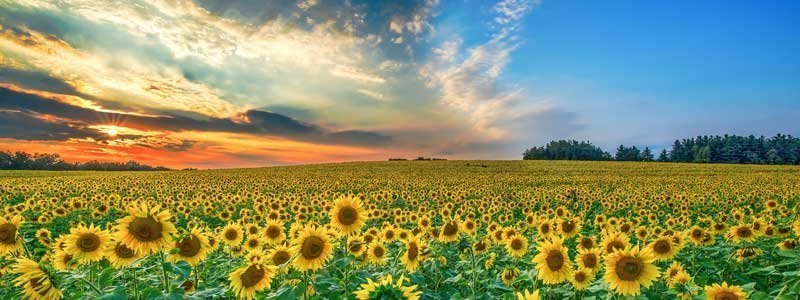
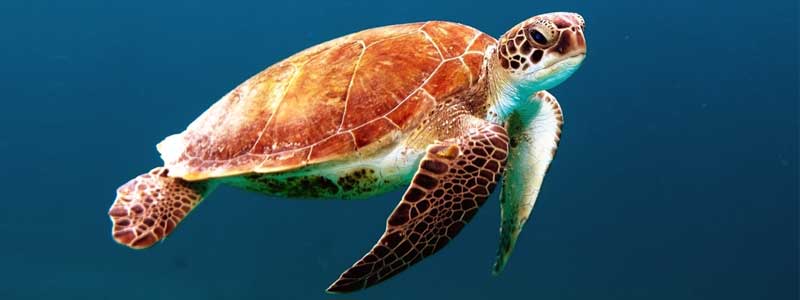
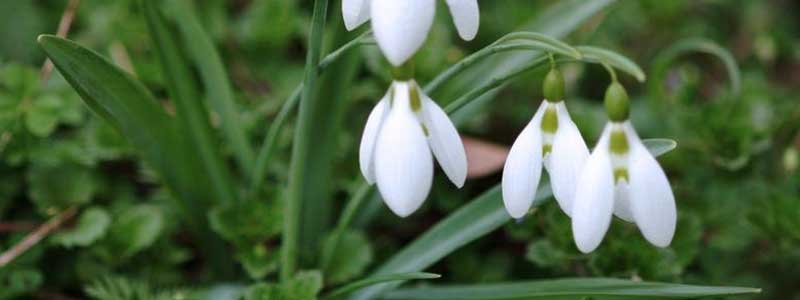
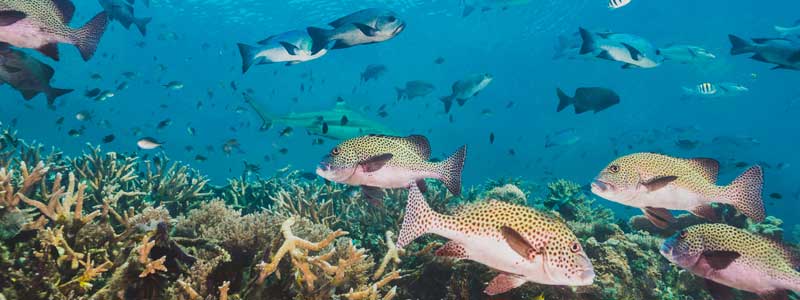
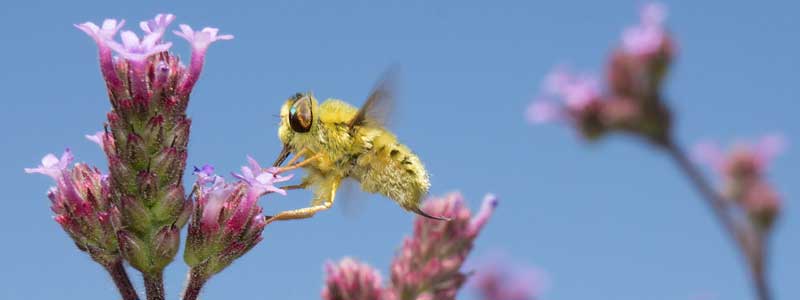
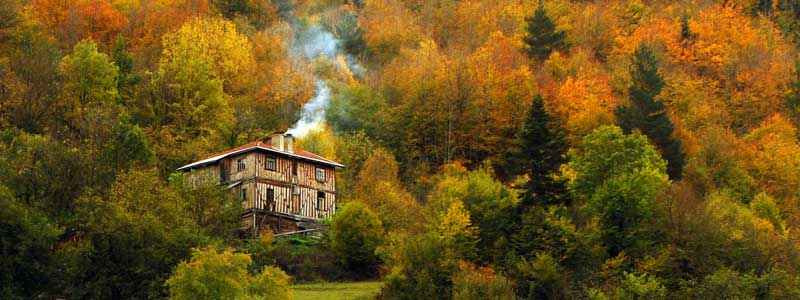
The United Nations, by addressing environmental issues on a global scale at the "Human Environment Conference," decided to establish the United Nations Environment Programme (UNEP) and to designate June 5th as "World Environment Day" each year.In this writing, I would like to mention the concept of "biodiversity," which is one of the important and necessary topics of our time.**What is Biodiversity?**Biodiversity refers to the variety of living species on Earth, including plants, animals, bacteria, and fungi. Although the biological diversity of the world is very rich, many species have yet to be discovered. Many species are under threat of extinction due to human activities, putting the magnificent biological diversity of the Earth at risk.**What is the Importance of Biodiversity?**The benefits provided by biodiversity are crucial for the survival of humanity. Animal and plant species that make up biodiversity are used to provide clean air and water in agriculture, livestock, medicine, and industry. Biodiversity maintains the balance of ecosystems, making our world a livable place. Looking at the benefits of biological diversity in Turkey;**Benefits of Plant Diversity**Plants prevent erosion, clean the air, and enrich the soil with organic matter. They also provide food and shelter for animals. Thus, continuity in the ecosystem is ensured. Especially in our country, trees such as oak, pine, acorn, poplar provide benefits in the field of forestry. Fruits and vegetables such as oleaster, wild pear, wild apple, jujube, Boba balls, clover, wild grape, mulberry, and cucumber also provide benefits in the field of medicine.**Benefits of Animal Diversity**Humans have hunted and domesticated animals from the earliest times to the present day.as a source of food, has been used as a guinea pig in transportation, clothing, and medicine. Similarly, the wild relatives of domesticated animals are used in animal breeding. The vast majority of plants require insects for pollination. Insects facilitate the pollination of plants, allowing for the continuity and diversity of plant life and ensuring the sustainability of ecosystems. Additionally, a significant portion of insects acts almost like voluntary cleaners in nature, facilitating the decomposition of organic matter and its return to the soil.**Benefits of Ecosystem Diversity**Ecosystems encompass the continuity of climate and nutrient cycles. The conservation of biological diversity within ecosystems ensures the continuity of energy flow and food chains. Maintaining ecosystem diversity provides benefits such as the conservation of water resources, soil formation and protection, storage and recycling of nutrients, and contributions to climate stability.**Biodiversity of Turkey and Its Importance**Turkey exhibits characteristics of a small continent in terms of biological diversity. Although Anatolia is not a separate continent on its own, it possesses all the ecosystem and habitat features that a continent can have. Among the reasons for this are the presence of three different bioclimatic types, the existence of three Biogeographic Regions (BCR) including Euro-Siberian, Mediterranean, and Iran-Turan, the variety of topographical, geological, geomorphological, and soil diversities, the presence of different types of wetlands such as seas, lakes, rivers, freshwater, saline, and soda lakes, elevation differences ranging from 0 to 5000 meters, the existence of deep canyons and many different ecosystem types, being less affected by the glacial period compared to European countries, the presence of the Anatolian Diagonal connecting northern Anatolia to southern Anatolia, and the resulting ecological and floristic differences, as well as being located at the convergence point of three continents. In summary, Turkey's agriculture,The forest, mountain, steppe, wetland, coast, and marine ecosystems have different forms and combinations of these ecosystems.When talking about the richness of biological diversity, it is necessary to address diversity at the ecosystem, species, gene, and biological functions levels, and to evaluate its importance for agriculture, forestry, and industry.In-situ conservation efforts in Turkey began long before the concept of "in-situ conservation" gained wide acceptance, in the 1950s. Various statuses such as National Park, Nature Park, Nature Conservation Area, Natural Site, Wildlife Development Area, and internationally significant wetlands have been declared as in-situ conservation areas in our country.Another important point in the conservation of biological diversity is the incorporation of "sustainable use" principles into sectoral practices.Sustainable use is the establishment of a balance between use and conservation, taking into account the capacity of natural resources to renew and sustain themselves. Thus, optimum benefits can be obtained from biological diversity, and the continuity of this diversity can be guaranteed.Let us not forget that we can make significant contributions to the sustainability of natural life in line with our preferences."In the next 10 years, one in every four known species may be wiped off the planet. Don't be the cause of this!"Wishing to live in a world that values biodiversity.Sources:https://www.nationalgeographic.org/encyclopedia, Access Date: 04.06.2020
http://ekolojist.net/ekosistemde-biyocesitliligin-onemi/, Access Date: 04.06.2020
Üstündağ M., http://www.obi.bilkent.edu.tr/bultenorta/ekoilk03032017.pdf
https://www.biyologlar.com/biyocesitlilik-nedir, Access Date: 04.06.2020
Ministry of Forestry and Water Affairs, General Directorate of Nature Conservation and National Parks, Ankara 2017
Terzioğlu E., Directorate of Biological Diversity and Genetic Resources, General Information on Turkey's Biological Diversity, Conservation Efforts for Biological Diversity and Bi...Biodiversity Convention and National Biodiversity Strategy and Action Plan p.3