In all regions of our country, there are small and large livestock farms, and as a result of the removal of urine and feces of the animals raised with water, wastewater with high pollutant concentrations is generated.
As an agricultural country, livestock farming holds great importance in our country. There are small and large cattle farms in all regions of our country, and as a result of the removal of urine and feces from the animals raised with water, wastewater with high pollutant concentrations is generated. These wastewaters contain high concentrations of pollutants such as organic matter, nitrogen, phosphorus, and suspended solids. The types of pollutants that most challenge facilities that treat wastewater before discharging it into receiving environments are BOD and TP parameters. It is not possible for facilities that discharge into receiving environments to meet discharge limits by using only biological treatment mechanisms. Therefore, treatment systems that utilize both physicochemical and biological methods need to be employed.
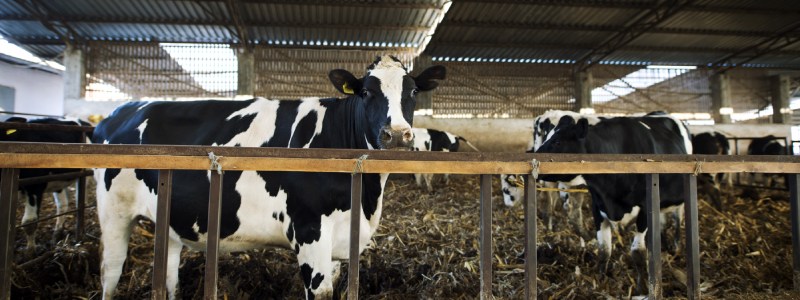
The organic components and nutrient content of farm wastewaters vary according to the size and feeding of the animals. The content of these wastewaters significantly changes depending on the waste disposal method and the solid separation system used. The state of the waste produced by farm animals before the dewatering process is referred to as "manure."
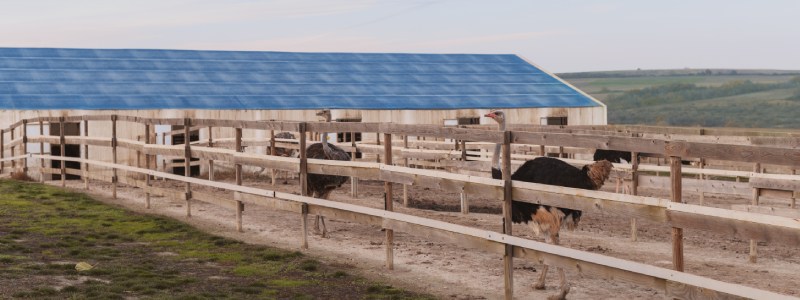
Biological, chemical, and physical processes are used in the treatment of farm wastewaters. When selecting systems used for this purpose, the reuse and recovery of fertilizer content, as well as the protection of soil, air, and water, are prioritized. When the aim is to protect soil, water, and air quality, issues such as odor, ammonia, and hydrogen sulfide emissions, the formation of methane and other gases, and the potential for dust to carry odors, along with biomass production, emerge as the most important topics. The utilization of the valuable content of animal manure has also become one of the topics of interest in recent times. The treatment systems and alternative technologies used for farm wastewaters are selected based on their ability to provide adequate protection for soil, water, and air resources.

Since the organic matter content in feedlot wastewaters is high, the biological oxygen demand is also high.
When looking at the chemical oxygen demand (COD) values, the BOD/COD ratio is approximately around 0.8. This indicates that the wastewater from feedlots is suitable for biological treatment.Many systems used for the treatment of farm wastewater are also utilized for the treatment of domestic wastewater and various industrial wastewaters. These technologies employ fundamental principles for the removal of solid matter and nutrients. Therefore, understanding the basic principles of feedlot wastewater treatment is very important in order to select the most suitable system that will meet the targeted needs.