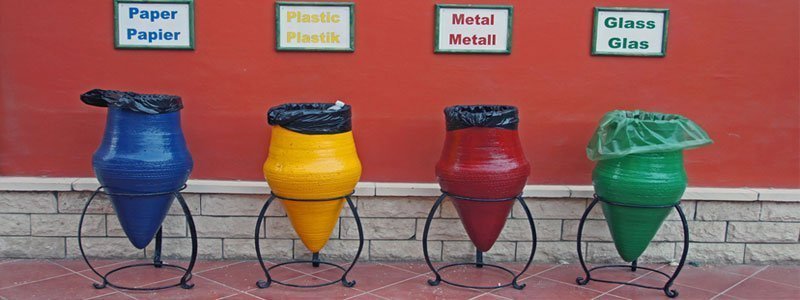
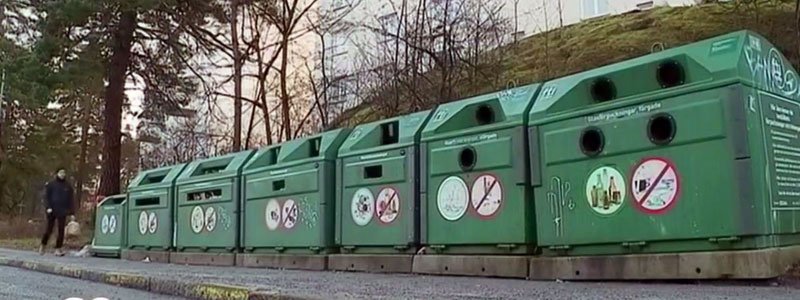
There are 7.53 million people living on Earth, and according to literature data, the amount of waste generated by one person is 1.17 kg. This means that approximately 8,190,000 tons of waste are produced every day on Earth.
Looking at the data, it seems that living without generating any waste is hardly possible. We cannot live without creating waste, so how will we manage this waste?
The lack of a regular waste management process, the random storage of waste, and its disposal into the soil and water will lead to irreversible damage to the soil and water, as well as health problems for living beings in nature. Additionally, successful waste management plays an important role in increasing a country's national income.
Waste management is a process that can be carried out sustainably and in a controlled manner without harming the environment and human health, from the generation of waste to its disposal. These methods include the collection, reuse, recycling, recovery, and final disposal of waste. The primary goal of successful waste management is to reduce waste generation, reuse materials, separate waste that can be recovered as raw materials for direct recovery, and recover energy from other waste.
In production facilities, offices, hotels, and homes, the waste management process begins by identifying the types of waste that will be generated, collecting waste separately at the source, and sending it to recovery-disposal facilities licensed by the Ministry of Environment and Urbanization.
Waste Management Process in Industry
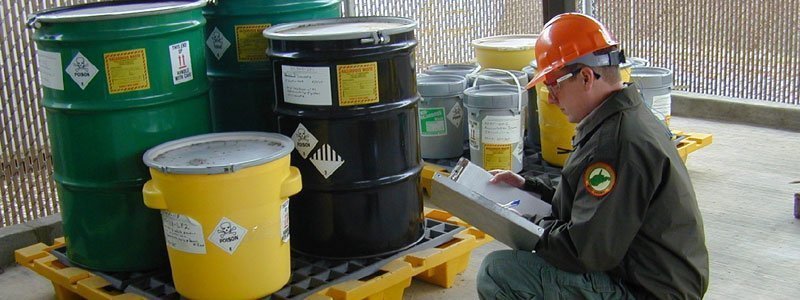
In facilities engaged in industrial activities, the waste management process is shaped in accordance with legal obligations. Waste is identified and waste codes are defined; waste is separated into hazardous and non-hazardous categories, and waste begins to be collected separately at the source, while legal requirements are taken into account to create 'Hazardous and Non-Hazardous Temporary Storage Areas.' Hazardous waste can be kept in the temporary storage area for a maximum of 6 months, while non-hazardous waste can be stored for a maximum of 12 months before being sent to licensed recovery-disposal facilities. To document this process, a 3-year Waste Management Plan is prepared and approved. Thus, for production activities that generate a significant amount of contaminated waste, the process is established.
A waste management process is established in facilities without harming the environment. **Waste Management Process Outside of Industry**In offices, shopping malls, hotels, public institutions, universities, etc., the waste management process has been shaped by 'Zero Waste'. The recovery of high amounts of packaging waste that may arise from these areas aims to recover raw materials. The Zero Waste issue is strategically important in terms of both reducing the amount of plastic used and transferring the waste management process outside of industry. In the Zero Waste process, the generated waste is identified in the same way, and it can be easily initiated with dual collection units (recyclable - non-recyclable).**Successful Waste Management in Sweden**Sweden is a country that serves as a model to the world with its successful waste management. In the country, 99% of the waste generated in homes is recycled. Paper, plastic, and glass generated in homes are collected in separate bins, melted down, and reused, while the resulting food waste is converted into fertilizer or biogas. There are 32 facilities across the country where waste is incinerated to be converted into energy, and the energy produced by these facilities is used for heating 810,000 homes and meeting the electricity needs of 250,000 homes. In fact, Sweden purchases waste from other countries to operate these facilities more effectively.