Did you know that algae are a source of energy? The rapid increase in the world's population, industrialization, and the rise of industry are causing energy consumption to increase rapidly. The growing population and industrialization are increasing energy consumption by an average of 4-5% each year.
The fossil fuel sources used as energy sources, such as coal, oil, and natural gas, are gradually decreasing in line with these developments. Research shows that approximately a thousand years' worth of fossil fuel formation is consumed in a single day. This situation has prompted countries around the world to take action to meet their energy needs and has directed them towards new and renewable energy sources. [1]. The fact that these alternative energy sources can be obtained in an environmentally friendly and natural way is of great importance.
What Are the Biomass Energy Sources in Our Environment?

Examples of biomass energy as alternative energy sources include animal manures, barley straw, corn stalks and waste, flax, hemp, grass, vegetable waste, agricultural waste, fallen tree leaves, wastewater sludge, algae, etc. Algae, which is one of these alternative energy sources, have been discovered by scientists, showing that energy and fuel can be produced from them.
Alternative Energy Source: ALGAE
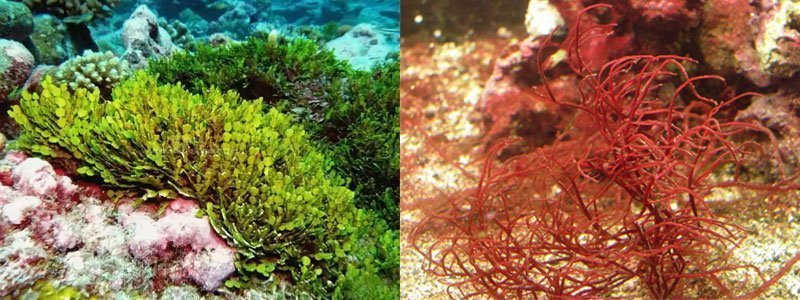
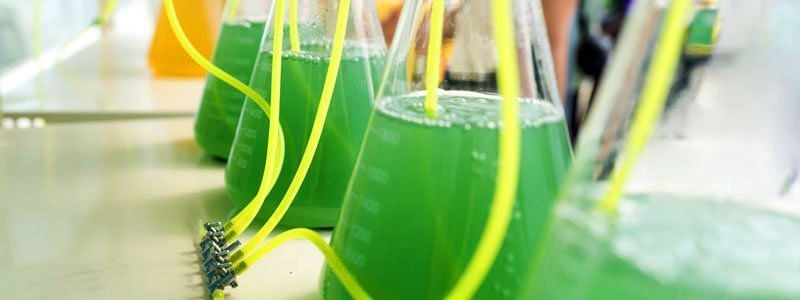
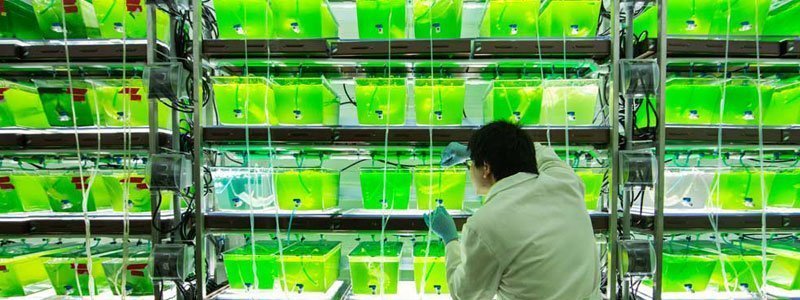
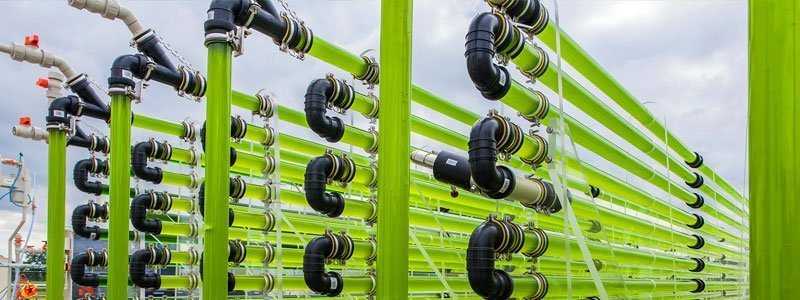
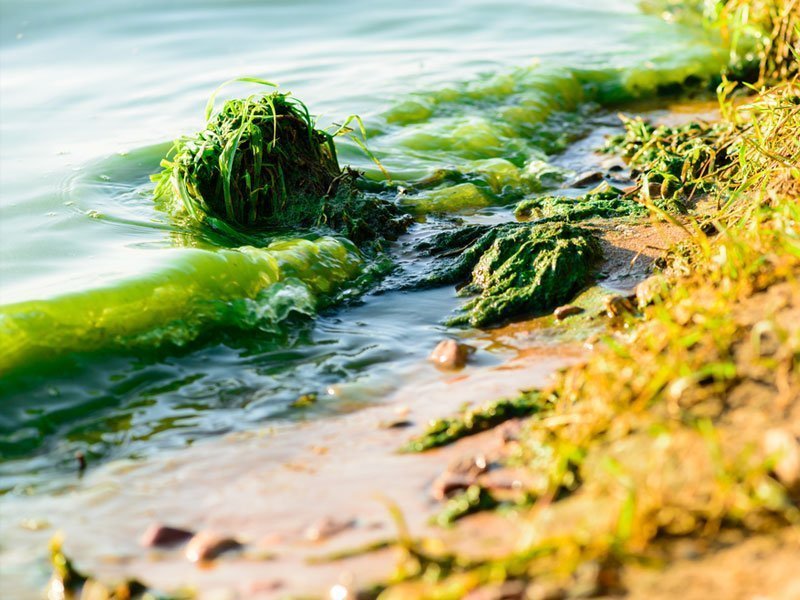
Algae are saltwater and freshwater plants that can grow very rapidly, reaching sizes as large as 60 meters. Algae, or seaweeds in other words, live by attaching themselves to rocks or stony surfaces in coastal areas. While algae provide food for consumer organisms, they also create a breeding and habitat environment for aquatic creatures. It is known that algae consist of 50-80% carbohydrates, 8-24% fats, 7-27% proteins, and 33-50% lignin [2]. Thanks to the compounds they contain, they can be converted into biogas, bio-oil, bioethanol, biodiesel, and biohydrogen as a result of thermochemical and biochemical transformations [3].
Algae can produce approximately 420-500 m3 of biogas per ton under anaerobic conditions. The biogas produced is one of the important energy sources with a methane content of 63%. The calorific value of biogas with 65% methane content is known to be 24 MJ/m3 [4]. 1 ton of algae can produce approximately 2500-3000 kWh of energy.
Algae play a significant role in wastewater treatment by accumulating hazardous pollutants such as nutrients (primarily nitrogen and phosphorus), heavy metals, pesticides, organic and inorganic contaminants, and radioactive substances in their cells, thereby removing them from the dissolved phase. For this reason, they are commonly used organisms in wastewater treatment. The ability of algae to store radioactive materials has increased the use of these species in the biological treatment of wastewater. The finding that the concentration of radioactive phosphorus in phytoplankton is 200,000 times higher than in water clearly demonstrates this capability of algae [5].
Algal wastewater treatment systems are becoming an important alternative for urban and industrial wastewater treatment because they can achieve the same level of treatment as traditional wastewater treatment systems, which use complex and expensive chemical processes and systems, while requiring less capital and maintenance costs, and can generate income through algal culture. The ability to produce energy from methane obtained through the fermentation of algae grown in wastewater ponds, the potential use of treated water for irrigation, and the removal of toxins that are extremely dangerous for aquatic life, such as selenium, highlight the advantages of using algae in wastewater treatment [5].
The Role of Algae Worldwide
Algae, which are considered renewable energy sources planned to replace fossil fuels expected to be depleted in 50 years, also have the property of being used as fuel in addition to energy. Dr. Tim Devarenne, the team leader from Texas A&M AgriLife researchers, has reduced the reproduction rates of a type of algae called Botryococcus to 6 hours, suggesting that this time can be shortened by transferring the genetic chemistry of these algae to a faster-growing algal genetics. Thus, we can produce biofuels by enabling faster growth [6].
At the same time, Muthukumaran Packirisamy from Concordia University emphasizes that Botryococcus algae are a good choice with the following statements:
It states: “From the perspective of natural resources, blue-green algae are a great choice for reducing fossil fuels. Cyanobacteria are the most suitable microorganisms on Earth. Moreover, unlike other renewable energy sources such as solar and wind power, their efficiency is not affected by changes in the atmosphere.” According to the U.S. Department of Energy; “If one-seventh of the cornfields in the U.S. had been planted with algae, the biofuel harvested could easily meet the fuel needs of the country for a year.”So, what should we do?As a result, studies are being conducted worldwide on energy and fuel from algae, and they are important as an environmentally friendly energy source for the future. Considering that the monthly amount of algae discarded in our country is 4,574,160 kg according to 2015 ISTAC data, it is high time to emphasize algae, which is an important renewable energy source for our country, during these times when we are lagging behind. It is the perfect time to include projects that have physiological, biological, and molecular characterization of algae and are predicted to convert them into energy!