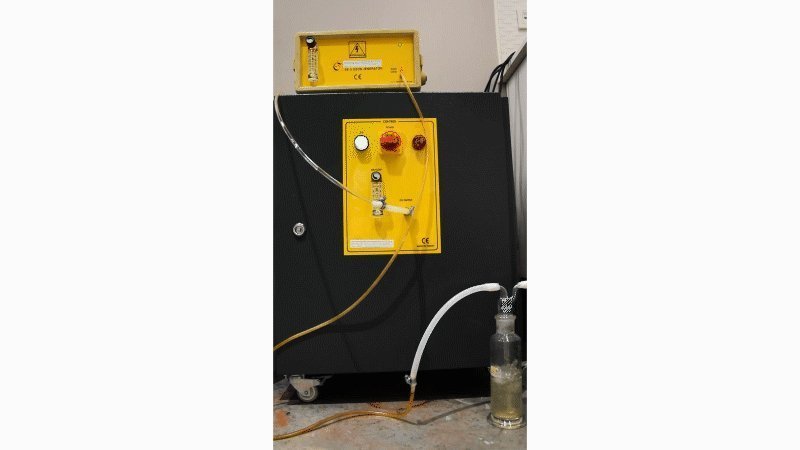
The Use of Ozone in Wastewater Treatment Ozone is a molecule in gaseous form composed of three oxygen atoms. Unlike the stable form of the oxygen molecule (O2), ozone (O3) is an unstable molecule.
The Role of Ozone Gas in Our Lives
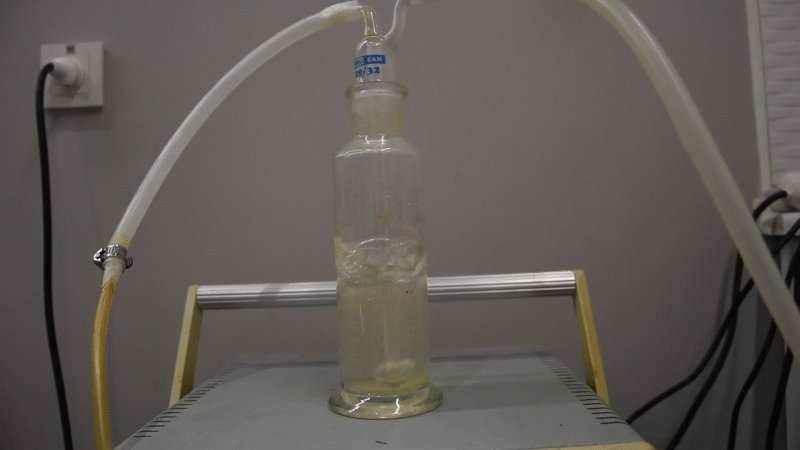
Ozone gas was discovered by a German chemist in 1839 and was used for disinfection purposes in the years immediately following its discovery. The disinfectant effect of ozone comes from its strong oxidizing properties. Ozone not only kills viruses and bacteria in wastewater treatment but can also oxidize all microorganisms and their toxins.
Besides disinfection, ozone gas is used in many areas;
Water disinfection
Food industry
Cold storage
Odor removal
Swimming pools
Color removal
Wastewater treatment
Nitrite and ammonia removal
Iron and manganese removal
Pesticide removal
Disinfection of indoor air
Health Sector
Ozone Gas in Wastewater Treatment
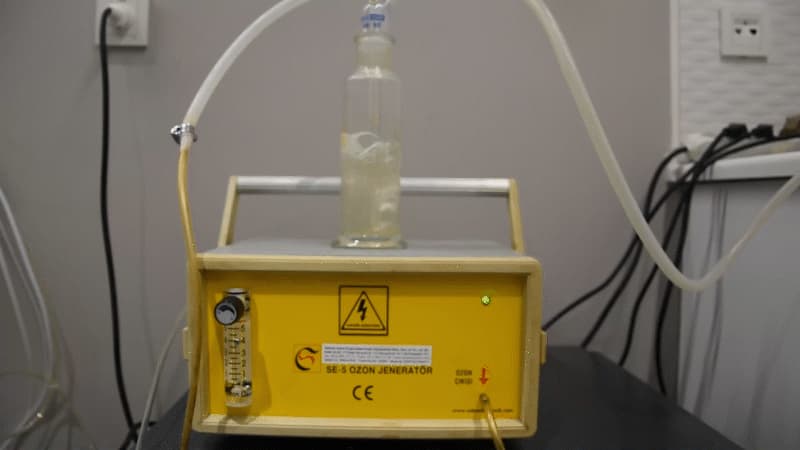
One of the areas where ozone is used most extensively is the disinfection of secondary or biologically treated wastewater. Ozone is widely used in the treatment of wastewater flowing into large reservoirs or areas where living organisms may be present. It is used for color removal, iron and manganese removal, algae removal, taste and odor removal, bacterial disinfection, virus disinfection, oxidation of dissolved organic matter, removal of COD and BOD, increasing biological treatability (pre-treatment), etc. It is also used for the oxidation of volatile organic compounds, decomposition or removal of organic and inorganic substances, reduction of turbidity, partial or complete oxidation of biological sludge organics, recycling biological sludge as a substrate through partial oxidation, and removal of microorganisms (filamentous) that prevent sedimentation. The greatest advantage of disinfection with ozone in such waters compared to chlorine disinfection is that ozone treats all viruses more effectively than chlorine and has 3125 times greater oxidation power compared to chlorine. Additionally, since ozone is obtained by the decomposition of oxygen present in the air, due to its unstable structure, it always returns to its raw material, oxygen, after completing its disinfection task.Ozone gas is the only disinfectant that leaves no residue after disinfection, making its use particularly advantageous in the food and livestock breeding industries compared to other disinfectants. Because it leaves no residue, it is also not harmful to human health.In addition to this, the most important role of ozone, despite being one of the gases with low concentration in the air, is its significance for the world. The ozone layer containing ozone gas in the stratosphere acts as a shield against many harmful rays coming from space. The ozone layer in the stratosphere absorbs rays of 2400 Angstroms and smaller, preventing a large portion of the harmful rays from reaching our planet. The ozone layer also has effects on the overall climate of the Earth. The absorption of ultraviolet rays reduces temperature and helps regulate heat balance.Ultimately...The ozone gas, which we are unaware of as a savior, actually holds great importance in every aspect of our lives. Particularly, the ozone gas, which is used extensively in wastewater treatment, can cause toxic effects (toxic effects depend on ozone concentration and exposure time), requires chlorination in the distribution system due to its instability, reacts with other oxidants such as chlorine/monochloramine/chlorine dioxide, and necessitates precipitation or filtration processes because oxidation converts iron and manganese into insoluble compounds in water. Therefore, attention must be paid to wastewater characterization, and ozone concentration and contact time must be chosen correctly. Otherwise, undesirable results may occur.