The circular economy is a type of economy where the value of products, materials, and resources is maintained for as long as possible, and the amount of waste is minimized.
When evaluated in this context, we can see that the circular economy is a thought shaped around the following main principles:
Service economy: Adoption of an understanding where companies remain the owners of products and rent them instead of selling. Thus, the company can control the renewability and upgradeability of the product in case it becomes out of service.
Environmentally prioritized design: Parameters such as modularity, adaptability, renewability, and reproducibility, which are not considered in the linear (produce-use-dispose) economy, gain importance in material and production process preferences.
Industrial ecology: The ability for a material or component that has become waste in one product to be used as an input in a different sector: for example, a piece of clothing being used later as an insulation material.
Reverse logistics: Establishment of a closed-loop logistics understanding that enables the collection of materials and products and their reintegration into production.
Principles of the Circular Economy
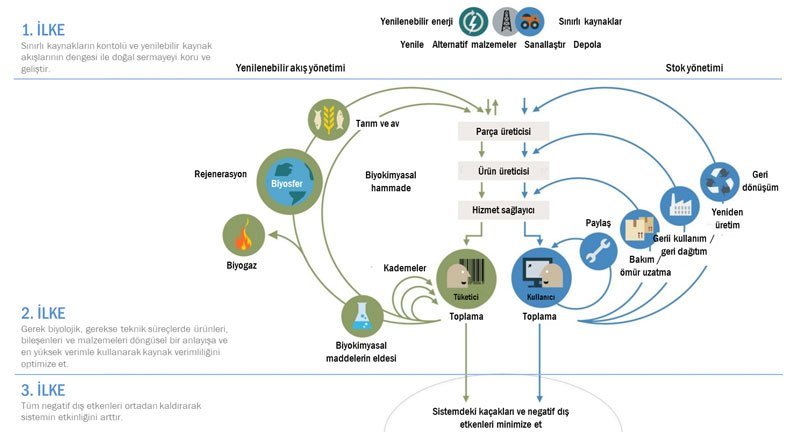
Ellen MacArthur Foundation and McKinsey Center for Business and Environment. Drawing: Braungart & McDonough: Cradle to Cradle (Translated from the original into Turkish.)
Now let's examine examples of the circular economy together. Thus, the circular economy model will occupy a more understandable place in our minds.
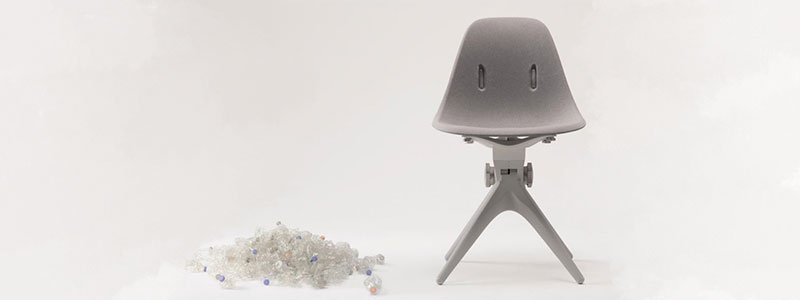
A British start-up named Pentatonic produces various furniture products using waste materials. The waste used is not limited to plastics: waste such as aluminum cans, PET bottles, food packaging, cigarette butts, and smartphone screens are also utilized in the products.
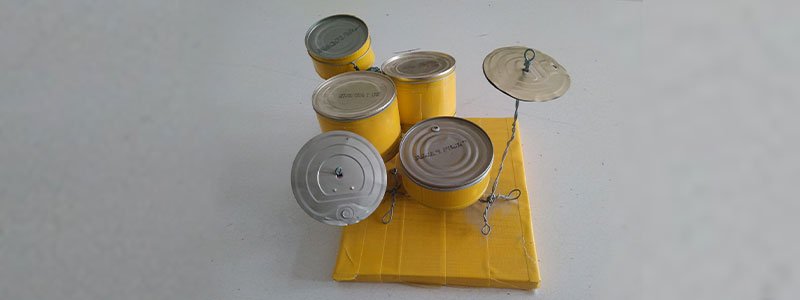
About 90% of the waste used by the company is collected from local waste sites. Additionally, customers who purchase the products and wish to change them after a while can send the products back to Pentatonic.
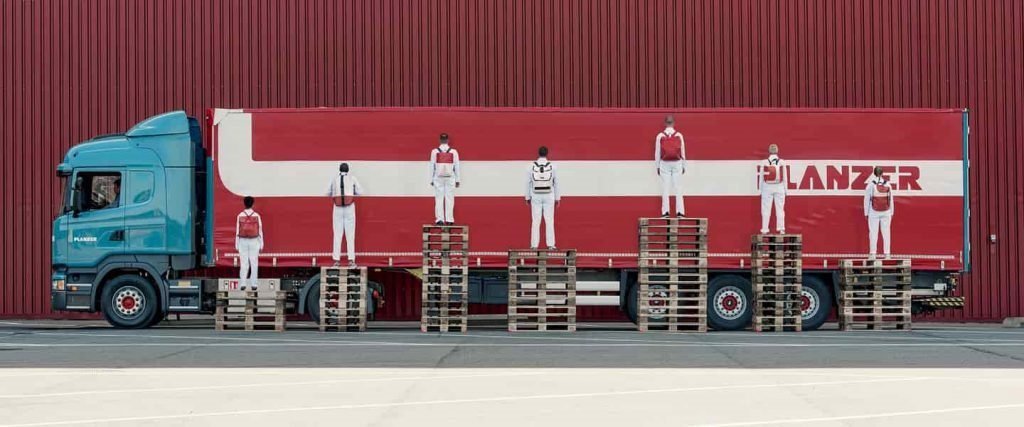
Another example comes from Switzerland's famous bag brand Freitag. The company produces its products from used...
It manufactures bags from truck tarpaulins. Moreover, the materials used in bag production are not limited to tarpaulin: Accessories such as used tires and seat belts can also find their place in the produced bags (Freitag.ch).
If we can implement the circular economy in our own companies, we may encounter a more beautiful world in the future. Thus, we would leave a more livable environment for future generations.
Sources;
https://dergipark.org.tr/en/download/article-file/525632
https://muhendishane.org/2018/10/28/dongusel-ekonomi-ve-malzeme-bilimi/
https://www.nestle.com.tr/hikayeler/dongusel-ekonomi
https://www.pagev.org/dongusel-ekonomi