The Covid-19 virus continues to show its effects worldwide and in our country, while we all need to prevent the spread of the virus, to protect ourselves and those around us...
As the Covid-19 virus continues to show its effects worldwide and in our country, we all need to use personal hygiene materials such as disposable masks and gloves to prevent the spread of the virus and protect our health and the health of those around us.
So, do we know how to evaluate these hygiene materials as waste after they have been used?
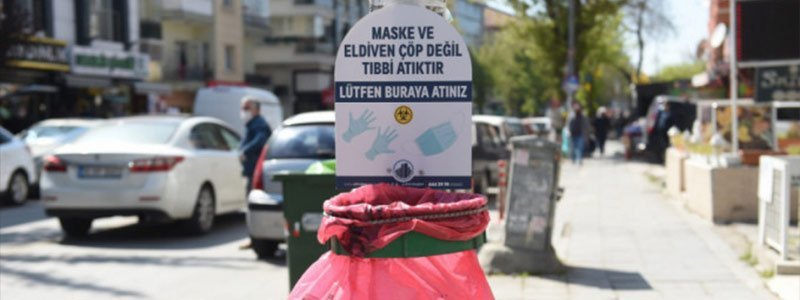
Masks or gloves, whose usage lifespans are determined by experts, need to be collected and stored in a way that eliminates the possibility of contamination. In the circular published by the Ministry of Environment and Urbanization on 07.04.2020, the issues that need to be adhered to for the controlled management of hygiene material waste originating from institutions, organizations, businesses, health institutions, homes, and workplaces have been specified.
This waste, which continues to be collected as 'Medical Waste' in health institutions and quarantine areas:
1. In the buildings and campuses of institutions and businesses
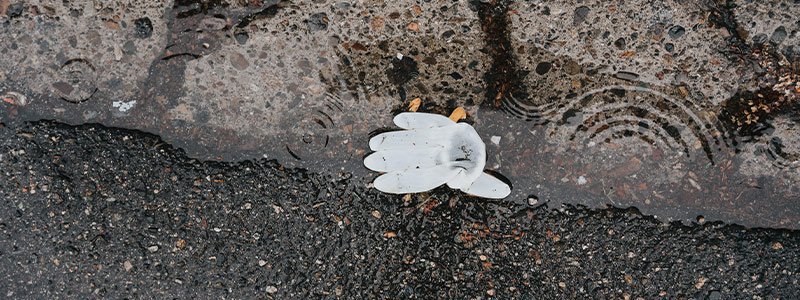
Should be collected separately from other wastes; in waste bins with colored or gray labels, such as 'Other Waste' equipment, which indicate that only mask, glove, and other personal hygiene material wastes will be accumulated.
The collection of waste and its transfer to the temporary storage area should be carried out by a separate personnel with the necessary cleaning procedures.
Although there is a bag inside the waste separation bins, after filling to three-quarters, they should be tightly closed and placed in a second bag.
After being kept in the temporary storage area for at least 72 hours, it should be delivered to the municipality to be managed as 'Other Waste' within the scope of municipal waste.
2. In homes and workplaces
Should be collected in small amounts in tear-resistant garbage bags, and after being tightly closed, should be placed in a second bag against the possibility of tearing.
To minimize the virus's survival chances, waste bags should be kept in a room inaccessible to other people and animals for at least 72 hours.
and should be kept on balconies.
It should be delivered to the municipality as household waste shortly before the waste collection time.
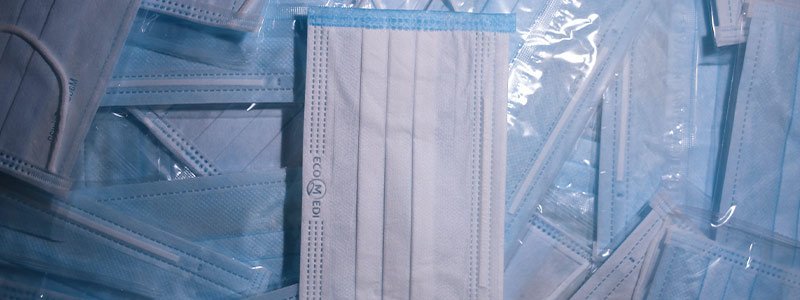
As part of the coronavirus measures, district municipalities of metropolitan municipalities like Istanbul have started to deliver collection equipment for the mentioned 'Other Wastes' to organizations and to create collection points in the areas.Our responsibility is to quickly get through this period, to prevent the spread of the virus, and to show the necessary sensitivity to mitigate potential risks.