As you know, we have been fighting against the COVID-19 pandemic that emerged in China in December 2019 and quickly spread to the entire world. In this article, I will discuss the process that medical waste has gone through during this period, how medical waste is classified, and most importantly, how medical waste is disposed of.
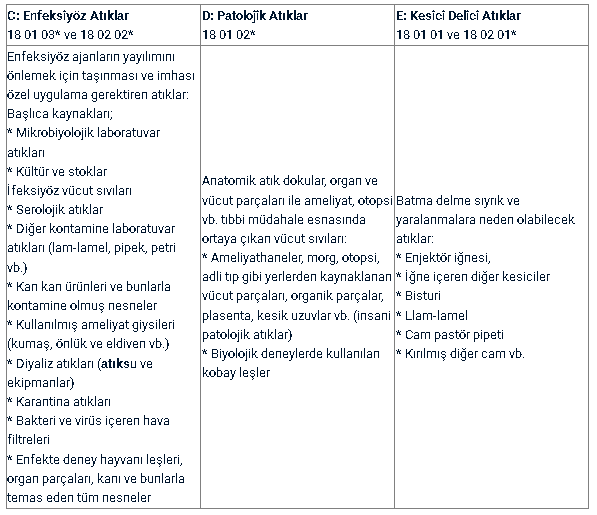
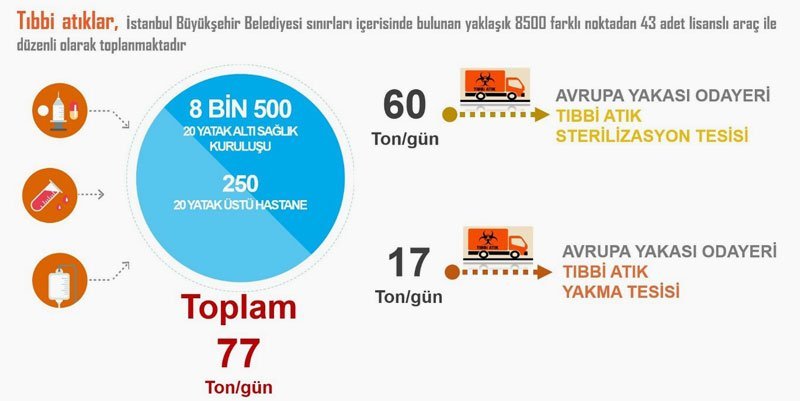
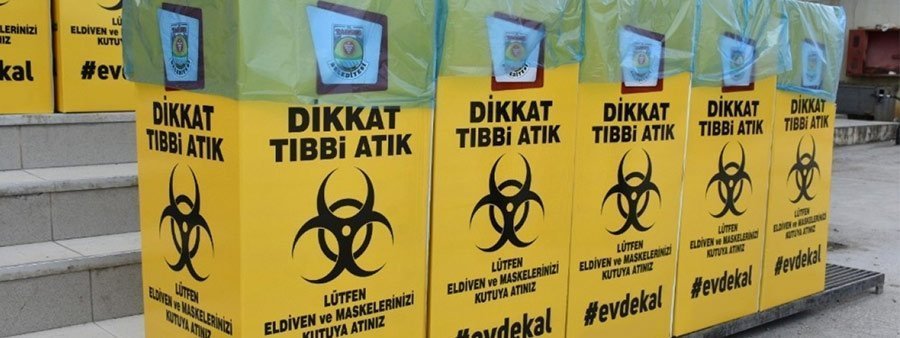
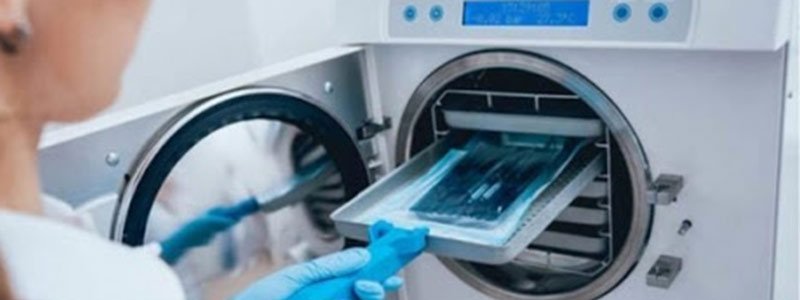
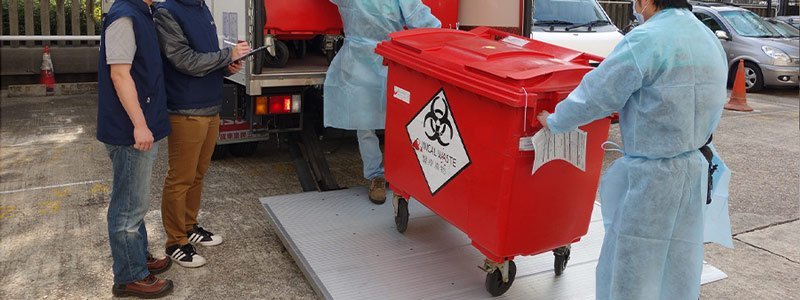
Medical waste: According to the Regulation on the Control of Medical Waste, it refers to infectious waste, pathological waste, and sharp objects waste. According to the World Health Organization (WHO), "medical waste is defined as all waste generated by health institutions, research organizations, and laboratories, as well as waste produced during home medical care (dialysis, insulin injections) from small or scattered sources." Hospital waste consists of 80% general waste, while the remaining includes pathological and infectious waste (15%), sharp waste (1%), chemical or pharmaceutical waste (3%), and special waste such as radioactive, cytostatic, pressurized containers, broken thermometers, used batteries, and batteries (<1%).In the Regulation on the Control of Medical Waste, medical waste generated from health institutions is categorized under three main headings. This classification is provided in the table below.Classification of Waste Generated from Health InstitutionsMedical Waste (18 01* and 18 02*)Medical waste generated in health institutions is collected in three different colored bags to easily distinguish them from one another. Packaging such as medicine and serum bottles are placed in blue bags; infectious and pathological waste in red bags; and sharp waste is placed in a yellow infected waste bin and collected in a red bag after being closed.The medical waste container or bin must be made of red plastic material that is resistant to puncturing, tearing, breaking, and exploding, waterproof and leak-proof, and must bear a black "International Biohazard" emblem along with the black inscription "CAUTION! MEDICAL WASTE."How is the Process of Medical Waste Managed?After medical waste is regularly separated, it is collected in accordance with the Regulation on the Control of Medical Waste and transported to medical waste processing facilities. The above table addresses the daily medical waste amount in Istanbul.Management of Medical Waste DisposalMedical waste disposal methods include Microwave/Steam sterilization method, Electro-thermal deactivation method (ETD), Plasma arc reduction method (PAR), Prolitic Gasification Method, Electron Beam Sterilization Method, and Incineration.The commonly used disposal methods in our country are Incineration and Sterilization-Regular storage.1. Sterilization-Regular StorageMedical waste arriving at the Medical Waste Sterilization Facility is loaded into containers and placed inside the autoclave without human contact, using an automatic waste transportation system. Medical waste is subjected to sterilization by raising the temperature inside the autoclaves to 145°C. The total processing time is approximately 45 minutes. In the facility, all processes are monitored online, including quantity, pressure, temperature, and the duration of waste exposure to processing. After sterilization, the waste is sent to shredding units. The sterilized waste, which has gained the characteristics of household waste, is then transferred to a computer-controlled sterile waste shredding unit, resulting in small pieces. The shredded sterile waste is automatically loaded onto a sterile waste transport vehicle and sent to a regular storage area for final disposal in an environmentally safe manner.2. IncinerationMedical waste, especially pathological waste, is incinerated at temperatures between 1000°C and 1200°C, resulting in a volume reduction of 95% and a mass reduction of 75%. All processes and continuous emission systems (CES) are monitored online for flue gas emissions.In summary, every step in the process from the generation to the disposal of medical waste should be individually controlled and managed with planning. Sources:https://www.vertisa.com.tr/tibbi-atik-bertaraf-yontemleri/
https://atikyonetimi.ibb.istanbul/hizmetlerimiz/tibbi-atiklarin-toplanmasi-ve-bertarafi/
https://www.resmigazete.gov.tr/eskiler/2017/01/20170125-2.htm
http://www.imo.org.tr/resimler/ekutuphane/pdf/10019.pdf
https://acikerisim.toros.edu.tr/Tıbbi Waste Management (Example of Adana Public Hospitals Union General Secretariat)
http://www.das.org.tr/kitaplar/kitap2005/42-05.pdf 4th National Sterilization Disinfection Congress – 2005 What are the Medical Waste Strategies? What are EN/ISO Standards? Unity in Europe? What is the Approach of the USA? What is the Situation in Our Country?
http://eds.yildiz.edu.tr/ Research Article MEDICAL WASTE MANAGEMENT IN GAZIANTEP Öznur AYDOĞAN*1, Gamze VARANK2, M. Sinan BİLGİLİ Received: 31.08.2009 Revised: 22.06.2010 Accepted: 05.10.2010 Journal of Engineering and Natural Sciences Sigma 3, 132-140, 2011